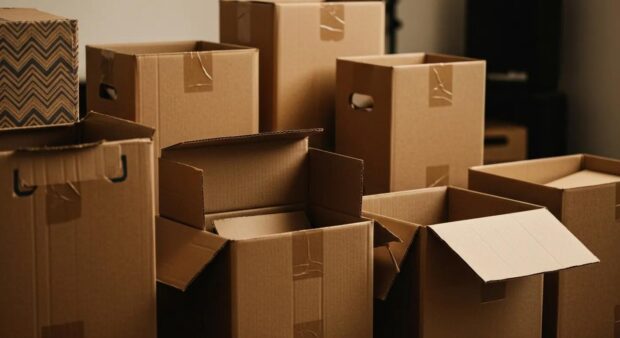
When you’re getting ready to move, a big question often comes up: what’s the deal with cardboard boxes versus plastic moving bins? Cardboard boxes can be a real pain, often failing under weight, getting ruined by moisture, or becoming a snack for pests. Plastic bins, on the other hand, can cost a pretty penny upfront and take up a lot of space when they’re empty. As of October 2025, over 900 million single-use cardboard cartons end up in U.S. landfills every year. And in humid places like Austin, about 25 percent of cardboard boxes fail due to moisture. This guide dives into seven key areas to help you decide:
- The structural weaknesses, cost headaches, and environmental toll of cardboard moving boxes.
- The financial, logistical, and ecological downsides of plastic moving bins.
- A direct comparison of costs and convenience.
- The sustainability trade-offs when picking your packing containers.
- The practical headaches of assembling, stacking, and getting rid of cardboard boxes.
- The hidden limitations of plastic solutions.
- How Bronko Box’s reusable plastic moving bins in Austin tackle the common moving box problems.
By the time we’re done, you’ll have a clear picture of durability, true costs, environmental impacts, time investments, and the local rental advantages you need to pick the perfect moving boxes for your next move.
What Are the Main Downsides of Cardboard Moving Boxes?
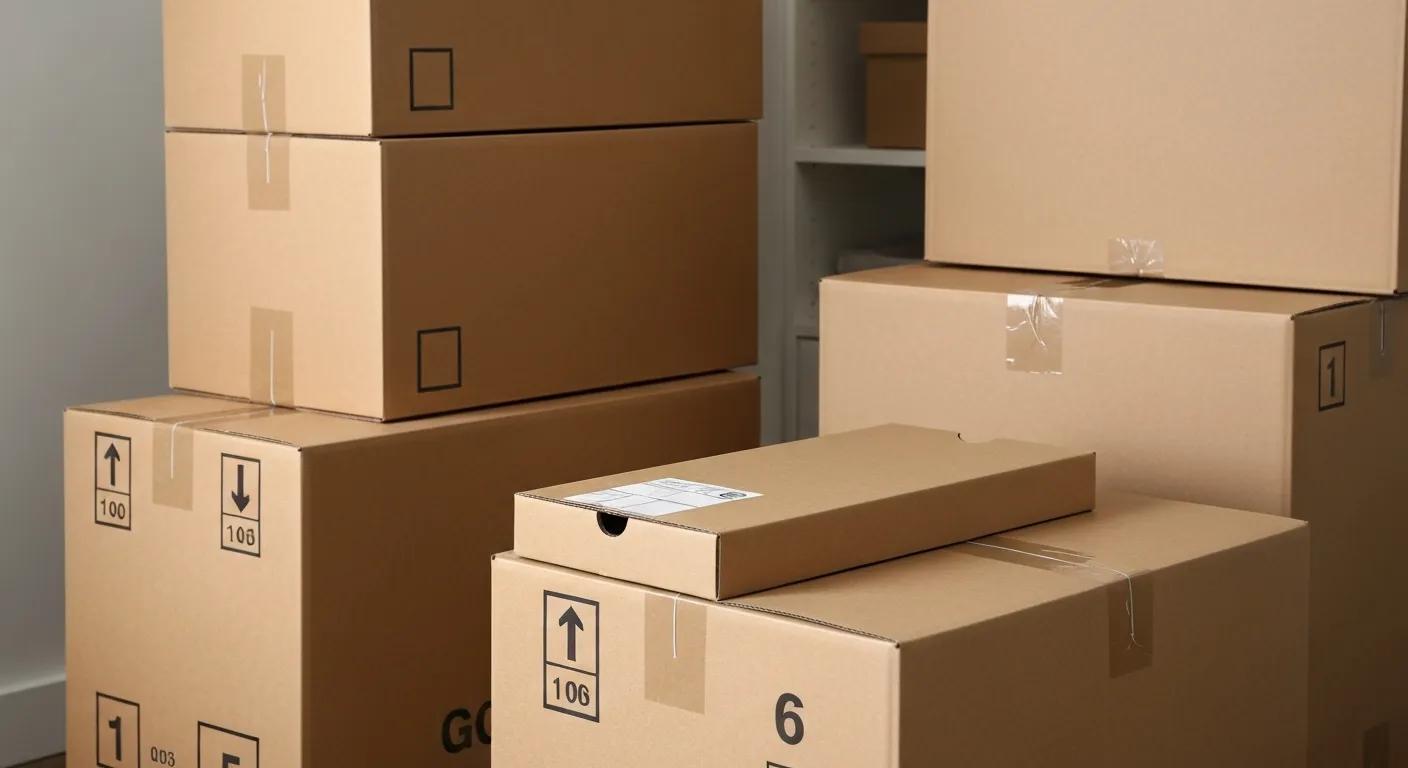
Cardboard moving boxes are those single-use containers made from corrugated fiberboard that often give up the ghost under heavy loads or burst open when they get wet. Their internal flutes just aren’t strong enough to handle pressure, leading to crushed edges and spilled contents. For instance, a single damp box can lose up to 60 percent of its carrying capacity, putting your fragile items at risk. These issues create safety hazards, lead to costly replacements, and generate waste, all of which mess with your packing efficiency. Understanding these core weaknesses naturally leads us to the specific durability challenges cardboard presents.
Why Aren’t Cardboard Boxes Very Durable for Moving?
Cardboard boxes have a layered construction with corrugated flutes in the middle. These flutes compress when pressure is applied, weakening their ability to hold weight. This means that when you stack heavy boxes, the flutes can get crushed, causing the corners to buckle and your stuff to shift around. In real terms, a standard double-wall box might only safely hold about 25 pounds before the fluting starts to collapse. Plastic bins, however, regularly handle 60 pounds or more without bending. These durability issues mean less protection for your books, dishes, and electronics, driving up the cost of replacements and repairs during a move.
How Does Moisture Mess with Cardboard Moving Boxes?
Cardboard is like a sponge for ambient humidity and spills, turning its sturdy flutes into soggy, tear-prone mush. Even a little bit of moisture—like a 30-minute rain shower—can weaken its tensile strength by 40 percent, leading to boxes failing mid-move. This vulnerability forces movers to wrap boxes in tarps, buy extra plastic liners, or just hope for the best with damp contents during transit. In places with high humidity, like Austin, repeated exposure increases the chances of mildew and mold, which can ruin delicate fabrics and paper goods.
What Hidden Costs Come with Cardboard Boxes?
Cardboard moving boxes might seem cheap at first glance, but hidden expenses quickly add up. Buying packing tape, bubble wrap, corner protectors, and packing paper can cost anywhere from $0.50 to $1.00 per square foot of packing space. Then there are disposal fees for recycling or taking them to the dump, which can add another $20 to $50 per load. And let’s not forget the cost of replacing or repairing damaged items, which often ends up being more than you saved initially. These ripple effects mean the true cost of using cardboard boxes is way higher than their sticker price.
How Do Cardboard Boxes Impact the Environment?
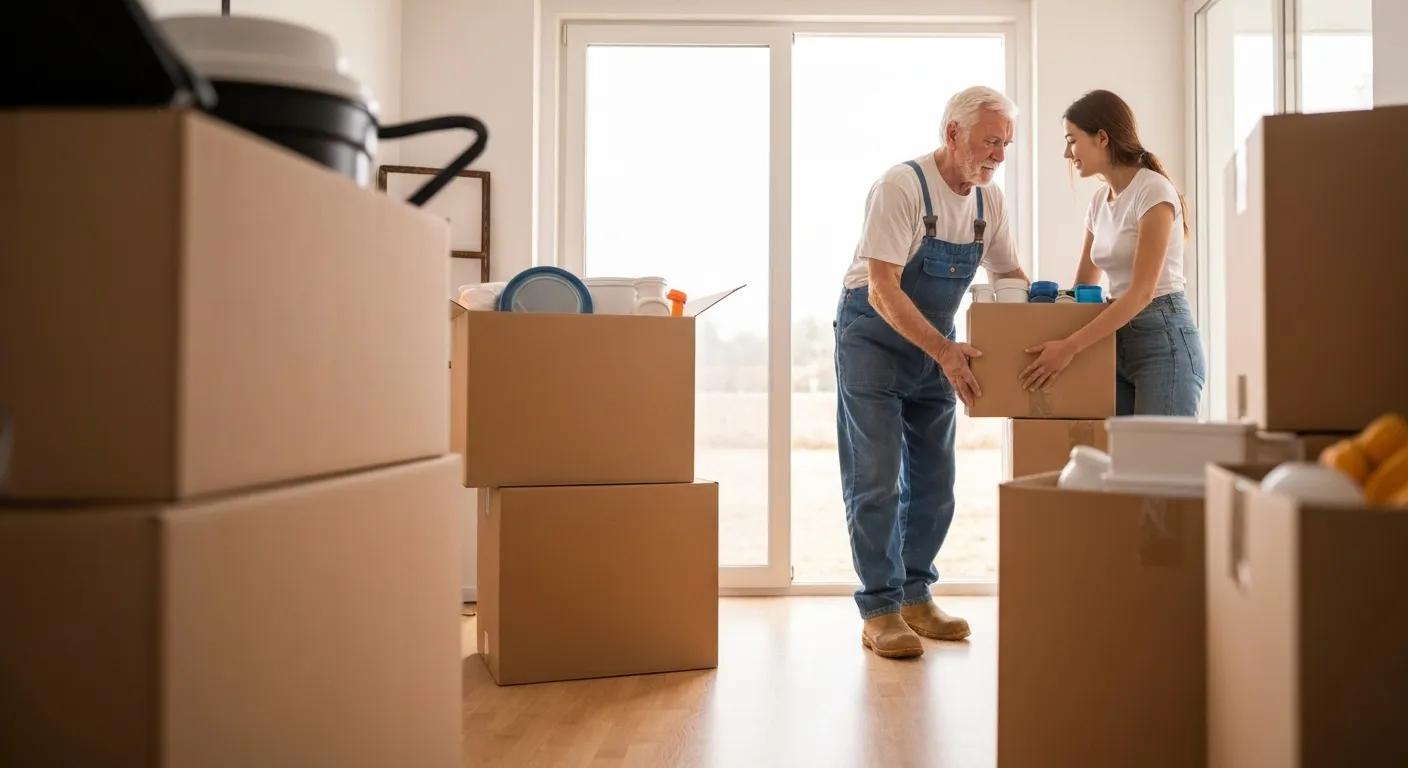
Making cardboard boxes involves cutting down trees and energy-intensive pulping processes, which pump out about 1.2 kg of carbon emissions for every kilogram of fiber. Americans toss over 2 million tons of single-use cardboard into landfills annually, and recycling rates are only around 68 percent. Cardboard that’s contaminated or wet often doesn’t make the cut for recycling, so it ends up being burned or buried. These environmental downsides are a stark contrast to reusable options that can be used hundreds of times.
What Are the Key Drawbacks of Plastic Moving Boxes?
Plastic moving boxes are tough containers made from high-density polyethylene or polypropylene. They’re great because they resist water and stack securely, but they come with their own set of disadvantages. These bins usually have higher purchase or rental prices, take up a good amount of storage space when empty, and require energy-intensive manufacturing. Understanding these trade-offs will help you make a balanced choice and avoid overspending on materials that might not fit your moving needs.
Why Is the Initial Cost of Plastic Moving Boxes Higher?
Plastic moving boxes require a significant upfront investment. You’re looking at buying them for $7 to $15 each, or renting them for $3 to $5 per bin per week. Unlike cardboard, which is often free or cheap, these costs can easily double or triple your initial packing budget. However, the ability to reuse these plastic bins for dozens or even hundreds of moves spreads that expense out over time. This can actually lead to savings after just three to five uses compared to constantly buying new cardboard boxes.
How Do Plastic Boxes Affect Storage and Handling?
Rigid plastic containers take up a fixed amount of space, even when they’re empty. This means they need about 20 to 25 percent more storage room than flattened cardboard boxes. Plus, they’re heavier—usually weighing 3 to 4 pounds each—which adds to the strain when you’re carrying dozens of them down long hallways or up stairs. If you live in a small apartment or have limited garage or closet space, storing empty bins between moves can be a real hassle, creating logistical headaches that free-stacking cardboard avoids.
What Environmental Concerns Exist with Plastic Moving Boxes?
Plastic moving bins are made from petrochemicals, and their production involves energy-intensive injection molding, resulting in about 3.5 kg of CO₂ emissions per bin. If they aren’t reused or properly recycled at the end of their life, these rigid plastic containers contribute to microplastic pollution and add to landfill waste. These environmental factors challenge the sustainability claims of plastic containers, especially if they’re only used a few times.
How Does Reusability Offset Plastic’s Environmental Impact?
High-quality plastic moving bins can typically be used 200 to 400 times before they need to be retired. This dramatically cuts down on per-move waste—by over 90 percent compared to single-use cardboard. When bins are circulated through a rental fleet or a reuse program, each plastic container prevents an estimated 8 to 15 cardboard boxes from ending up in landfills per cycle. This reusability factor means that the energy-intensive production process results in a lower carbon footprint per move, as long as the bins are maintained and recycled properly.
How Do Cardboard and Plastic Moving Boxes Compare in Cost and Convenience?
When you look at the real cost and user convenience, cardboard and plastic moving boxes are quite different when it comes to purchase price, hidden fees, setup time, and long-term value. A clear comparison will show you which material best fits your budget, schedule, and protection needs.
Before we get into the nitty-gritty, here’s a quick look at how they stack up:
| Box Type | Upfront Cost | Recurring Expense | Setup Effort | Durability Rating |
|---|---|---|---|---|
| Cardboard | $1.50 – $3.00 per box | Tape, liners, disposal fees | Requires folding and taping | Low |
| Plastic Bins | $7.00 – $15.00 per bin or $3–$5 rental/week | None or minimal maintenance | Ready to use with lids | High |
What Are the Long-Term Cost Differences Between Cardboard and Plastic Boxes?
Even though cardboard seems cheaper at $1.50 per unit, you’ll often end up spending $50 to $100 on tape and replacements for multi-box moves. On the flip side, renting a plastic bin for $4 a week can become more cost-effective by the third or fourth move, especially when you factor in accessory and disposal fees. For people who move often or have seasonal relocations, renting plastic bins offers more predictable expenses and lower waste handling costs.
How Does Assembly and Packing Time Differ Between Box Types?
Cardboard boxes need to be manually folded, taped at the bottom, and reinforced at the seams—tasks that can take 5 to 8 minutes per box. In contrast, plastic moving bins come fully assembled with built-in lids that snap shut in seconds. This time savings, which can be up to 80 percent per container, speeds up both packing and unpacking, letting you focus on the logistics of loading rather than fiddling with tape.
Which Box Type Offers Better Protection for Fragile Items?
Plastic moving bins have sturdy walls and secure lids that shield your belongings from bumps, moisture, and pests, creating a safe haven for glassware, electronics, and artwork. Cardboard boxes require a lot of internal padding to offer similar protection, and even then, they’re still vulnerable to punctures and crushing. For your most delicate items, plastic bins provide superior, stress-reducing security.
What Environmental Drawbacks Should You Consider When Choosing Moving Boxes?
When you’re picking out packing containers, it’s smart to think about the environmental impact. This means considering the life-cycle emissions, where the materials come from, and what happens to them at the end of their life. Each type of box puts a different kind of strain on our natural resources and waste systems.
| Container | Resource Use | End-of-Life Impact | Recycle Rate | Waste Prevention Potential |
|---|---|---|---|---|
| Cardboard Boxes | Trees, water, pulp energy | Landfill or low-grade recycling | 68 percent | Limited (single-use) |
| Plastic Moving Bins | Petrochemicals, molding energy | Recyclable at specialty facilities | 25–35 percent | High (200+ uses) |
This comparison highlights that while cardboard production uses up forests and water, plastic bins can offset their higher initial production impact through extensive reuse cycles.
How Does Cardboard Production Affect Natural Resources?
Making corrugated cardboard requires virgin timber and a lot of water for pulping—up to 20 gallons per box. This process also creates wastewater containing lignin and bleaching agents. It contributes about 12 percent of the paper industry’s greenhouse gas emissions. As the demand for cardboard grows with e-commerce and more people moving, these environmental costs will keep rising unless we use more recycled content and implement closed-loop systems.
What Waste Issues Arise from Single-Use Cardboard Boxes?
After just one move, cardboard boxes that are dirty or wet often can’t be recycled. This means up to 30 percent of collected cardboard ends up in landfills. This cycle of single-use disposal generates roughly 2 million tons of cardboard waste in the U.S. every year, overwhelming local recycling facilities and driving up tipping fees for haulers and homeowners.
How Do Plastic Moving Boxes Support Sustainable Moving Practices?
Through centralized collection and cleaning, reusable plastic bins can be used for hundreds of moves, significantly reducing the amount of material consumed per move. When rental companies offer take-back programs, these plastic containers go back into the rental cycle instead of the waste stream. Proper end-of-life procedures, like grinding worn-out bins into pellets, also allow for closed-loop recycling back into new container production, minimizing landfill contributions.
What Are the Practical Challenges of Using Cardboard Moving Boxes?
Beyond the cost and environmental concerns, cardboard moving boxes can create logistical headaches that slow down packing, compromise safety, and make disposal a chore.
Why Is Assembling Cardboard Boxes Time-Consuming?
Folding flat cardboard requires precise creases, aligning bottom flaps, and applying multiple strips of tape for security—steps that can take up to 7 minutes per box. When you need dozens of boxes, the total assembly time can easily exceed 6 hours, eating into the limited time you have for loading rental trucks or coordinating your move-out schedule.
How Difficult Is It to Stack and Transport Cardboard Boxes?
Without rigid sides, cardboard boxes tend to bulge when loads are uneven, making stacks unstable. Moving crews often have to restack shifting piles mid-move to prevent them from collapsing, which adds labor time and increases the risk of injury. Plastic bins, on the other hand, lock together in neat, stable rows that make the most of truck space and reduce the need for frequent stops to rearrange.
What Are the Disposal Challenges After Moving?
After you’ve unpacked, you still have to break down cardboard boxes and figure out how to recycle or dispose of them. Bulk disposal might come with extra city fees or require special pickups for recycling. Movers often put off dealing with the cardboard, leading to cluttered driveways and higher dumpster charges, especially when you’re on a tight rental schedule.
What Should You Know About the Disadvantages of Plastic Moving Boxes?
Plastic moving boxes solve many of the problems associated with cardboard, but they also come with their own set of practical and environmental considerations. Understanding these factors will help you choose a container system that fits your space, how often you move, and your sustainability goals.
How Does the Weight of Plastic Boxes Affect Moving?
Each empty plastic bin weighs about 3 to 4 pounds, adding extra weight to every carry. When they’re full, the combined weight can easily exceed 70 pounds per container, which can be tough for people with limited lifting strength. This extra heft might mean you need two people to carry them or use equipment like dollies to avoid straining yourself.
What Storage Space Is Needed for Empty Plastic Bins?
Rigid containers take up the same amount of space whether they’re full or empty. This often means they require about 20 percent more storage space than flattened cardboard boxes. If you live in a small apartment or have limited closet space, you’ll need to plan ahead for storing empty bins or arrange for prompt pickups to avoid clutter.
Are There Environmental Concerns with Plastic Production and Disposal?
Plastic bins are made from nonrenewable petrochemicals and require a significant amount of energy for injection molding, resulting in higher upfront CO₂ emissions compared to cardboard. If the bins are retired from service too early or are incinerated, they contribute to microplastic pollution and greenhouse gas emissions. Ensuring robust reuse and end-of-life recycling programs is crucial to realizing any long-term environmental benefits.
Why Choose Bronko Box Plastic Moving Bins for Your Austin Move?
Bronko Box offers a convenient reusable plastic moving bin rental service right here in Austin. We’re designed to overcome the common disadvantages of moving boxes with our durable, user-friendly, and eco-friendly approach.
How Does Bronko Box Address Common Moving Box Disadvantages?
Bronko Box’s bins eliminate assembly time because they come ready to go, and their secure lids stack reliably, cutting down on handling. Our water-resistant material protects your belongings from moisture damage, which is perfect for Austin’s humid and rainy seasons. Plus, our local collection and sanitation process ensures every bin is clean and ready for its next use, diverting cardboard waste from landfills.
What Are the Benefits of Renting Plastic Moving Boxes in Austin?
Renting with Bronko Box means you get clear, all-inclusive pricing that covers delivery, cleaning, and pickup—no hidden fees for tape, disposal, or replacements. For Austin residents in smaller homes, we offer flexible rental periods and on-demand pickup schedules, so you don’t have to worry about storing empty bins. Our service model supports Austin’s commitment to sustainability by keeping packaging materials in constant circulation.
How Does the Bronko Box Rental Process Work?
Bronko Box makes renting super simple with just three steps: schedule your delivery online, pack your items using our ready-to-use bins with built-in lids, and then schedule your pickup once you’re done unpacking. Every bin arrives clean and fully assembled, so you can start packing right away and get them out of your way as soon as 24 hours after you move in. This hassle-free approach makes your move smoother and less stressful.
When it comes to moving, choosing the right box can protect your stuff, keep your budget in check, and minimize your environmental footprint. By understanding the structural and ecological limits of cardboard, as well as the investment and storage needs of plastic, you can pick a solution that aligns with what matters most to you. For moves in Austin, Bronko Box’s reusable plastic moving bins offer a tough, efficient, and sustainable option designed to simplify every step of your relocation.
Filed under: moving boxes