Streamline Commercial Moving Box Rentals in Austin with Eco-Friendly Plastic Boxes

Office relocations are expensive, disruptive, and generate a lot of waste — but renting reusable plastic moving boxes makes commercial moves in Austin simpler and greener. This guide walks through how durable, stackable plastic crates protect gear, speed packing, and remove the post-move trash chore. We’ll show you how to plan from order to pickup, explain why Austin businesses often choose plastic over cardboard, outline which package tiers fit different company sizes, and share labeling, inventory, and scheduling best practices. You’ll also find side-by-side comparisons, package breakdowns to match supplies to needs, and concise FAQs that answer the procurement and logistics questions local teams ask most. Keep reading for a practical, step-by-step framework to run an efficient, cost-conscious, and eco-aware office move in Austin.
Why Choose Commercial Plastic Moving Box Rentals for Your Austin Business?
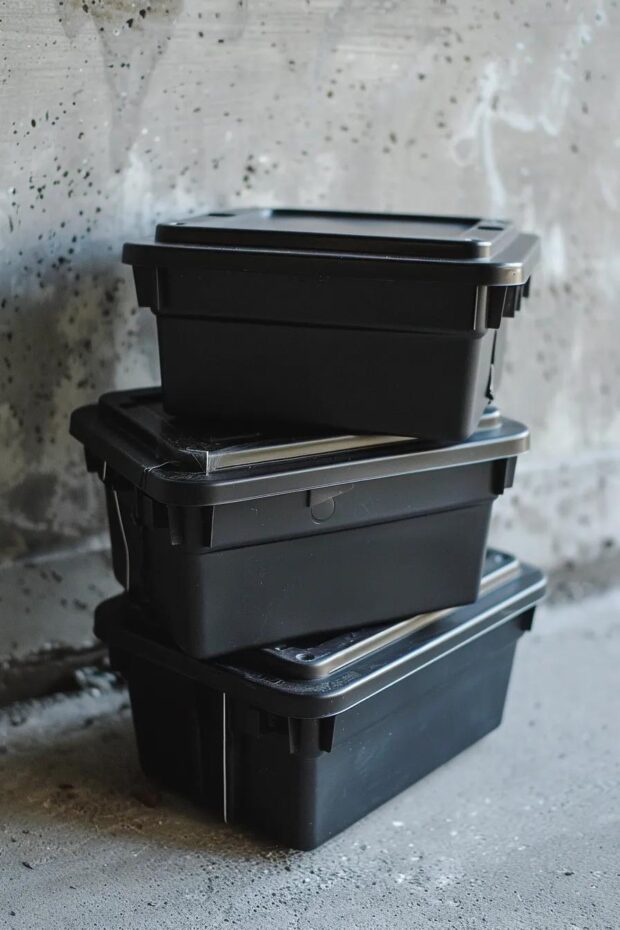
Reusable commercial plastic moving boxes are built to protect office equipment, speed up packing, and cut down waste compared with one-time cardboard — making them a smart logistics choice for Austin companies moving people, hardware, or records. Their rigid, water-resistant design reduces damage and replacement costs, which helps departments like IT and records get back online faster. Because boxes arrive pre-assembled and stack neatly, you avoid on-site assembly and the clean-up that kills productivity. Those operational gains shorten move windows and limit lost work time. Renting reusable boxes also supports sustainability goals by keeping cardboard out of the landfill and removing the need to buy and dispose of packing materials after the move. The next section quantifies the time and cost benefits and ties them to environmental impact for local operations.
Key advantages that make reusable plastic crates a go-to for commercial moves:
- Cost savings over time: Lower lifecycle expenses thanks to fewer replacements and disposal fees.
- Time efficiency: Pre-assembled delivery and pickup cut labor hours and move-day delays.
- Better protection: Water-resistant, stackable containers protect electronics and documents.
- Sustainability: Reuse reduces waste and supports corporate green goals.
What Are the Cost and Time Savings of Renting Plastic Moving Boxes?
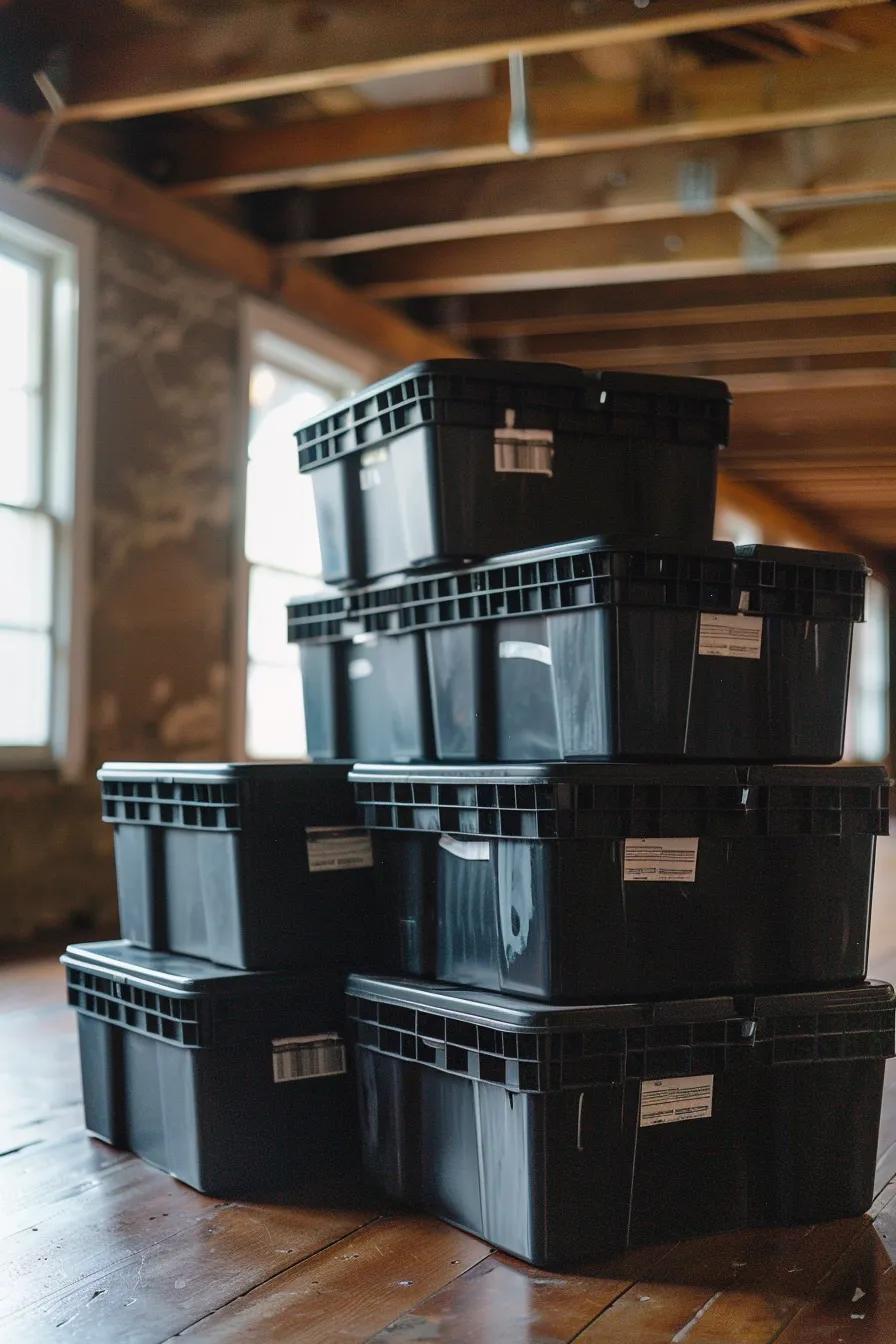
Renting reusable plastic boxes removes hidden labor and disposal costs — no taping, flattening, or hauling cardboard away — and shortens packing because boxes come ready to use. Teams typically save staff-hours on assembly and breakdown that would otherwise create overtime and slow unpacking. Scheduled delivery and pickup reduce vendor back-and-forth, freeing facilities staff to focus on IT and other mission-critical work. Those operational savings mean faster reopen times and fewer billable hours lost to move logistics, which is why many Austin businesses view reusable box rentals as a process improvement, not just a materials choice.
How Do Eco-Friendly Plastic Boxes Benefit Your Business and the Environment?
Reusable plastic boxes reduce single-use cardboard waste after relocations, helping companies hit sustainability targets and show measurable waste reductions to stakeholders. Because the same containers can be reused across moves or cycled between sites, rentals lower recurring procurement and logistics costs. That lifecycle approach also simplifies environmental reporting and can ease compliance with waste-reduction goals for Austin organizations. On top of operational convenience, greener move practices improve brand perception among employees and clients during a visible event like an office relocation. Next, we’ll look at how a streamlined rental platform brings these benefits together for commercial moves.
The idea of “green logistics” — minimizing environmental impact across supply-chain activities — directly applies to the waste reductions and efficiency gains reusable moving boxes provide.
Green Logistics: Minimizing Environmental Impact in Supply Chains
Green logistics covers the steps organizations take to measure and reduce the environmental impact of logistics. Companies go green for competitive advantage and to cut pollution, traffic, and transportation costs. While transportation systems have grown more efficient, their environmental effects remain a key sustainability concern. Logistics requires coordination and control over shipments, and green practices are increasingly central to responsible supply-chain management.
How Does Bronko Box Streamline Commercial Moving Box Rentals in Austin?
Bronko Box offers a commercial rental platform focused on contactless delivery and pickup, pre-assembled reusable plastic boxes, and a simple online selection flow built for Austin businesses. Our scheduling flexibility, volume handling, and optional packing supplies help facilities and office managers coordinate deliveries around business hours and keep staff disruption to a minimum. By pairing reusable containers with reliable delivery and retrieval, Bronko Box cuts the admin work of sourcing, receiving, and disposing of single-use materials and gives you predictable move windows. The platform is designed to support enterprise scheduling and to help teams sequence IT decommissioning and reinstallation with minimal downtime. Next we’ll walk through the step-by-step rental process so you can see how it all fits together.
What Is the Step-by-Step Rental Process from Ordering to Pickup?
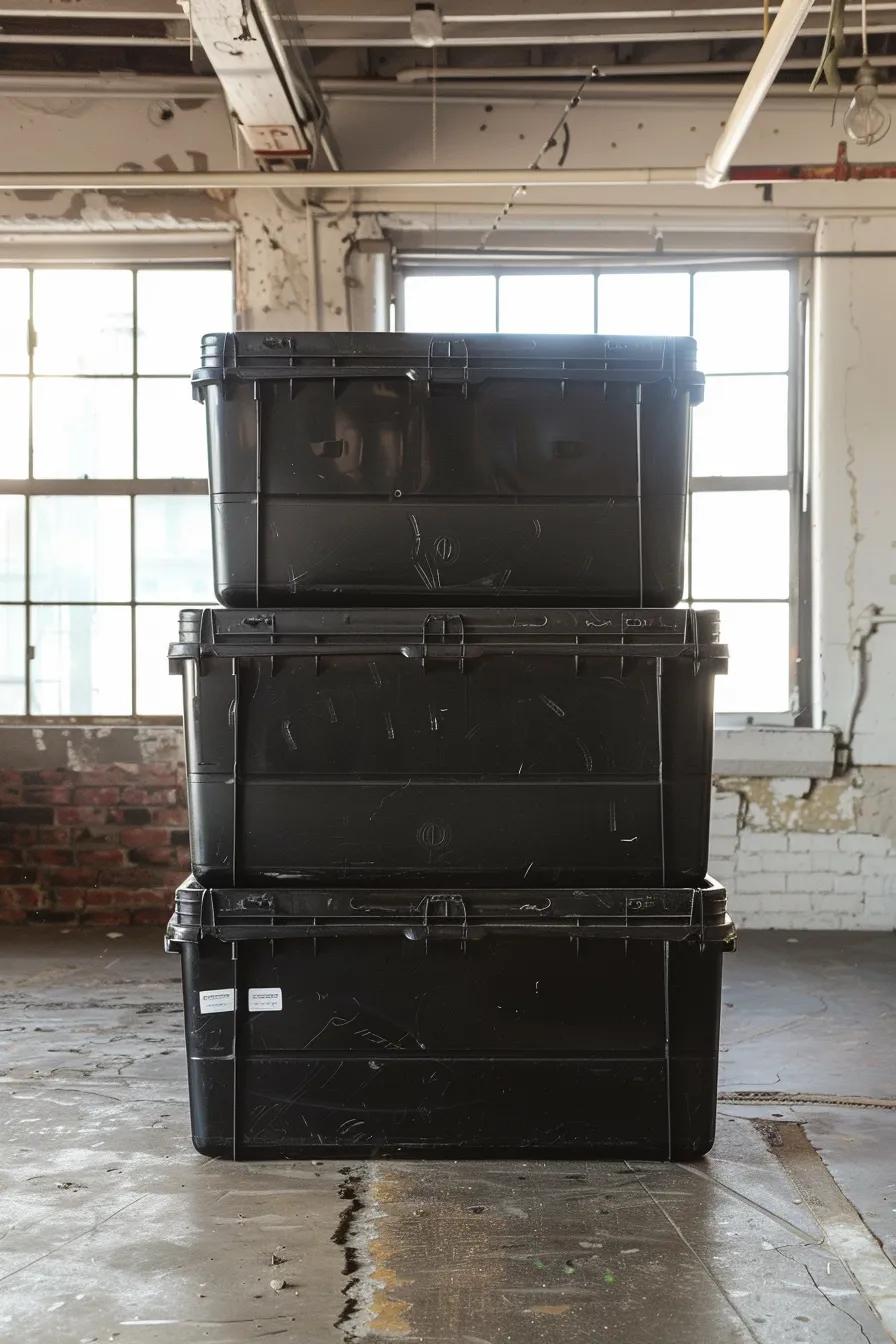
The rental flow is straightforward and repeatable so teams can plan moves with predictable timing and minimal on-site coordination. First, choose a package sized for your office and add any extras like moving wheels or inventory labels. Second, schedule contactless delivery for a time that fits your packing plan — boxes arrive pre-assembled and ready. Third, pack by department using consistent labels to speed unpacking and IT reinstallation, and move staff and equipment on a staged timeline. Finally, schedule pickup once unpacking is finished so the provider retrieves boxes and you avoid disposal work. These steps create a repeatable process that keeps surprises to a minimum and preserves operational continuity during relocations.
- Choose a package: Match box counts and add-ons to your inventory.
- Schedule delivery: Pick a time that minimizes staff disruption.
- Pack and move: Use consistent labeling and staging to accelerate unpacking.
- Schedule pickup: Return reusable boxes to complete the rental lifecycle.
That platform-driven workflow turns container rentals into a predictable logistics service — which is exactly what contactless delivery and pickup help support.
How Does Contactless Delivery and Pickup Enhance Convenience?
Contactless delivery and pickup reduce interruptions by letting boxes be dropped off and collected with minimal on-site coordination — ideal for buildings with front-desk operations or teams that can’t spare staff during the day. After-hours or staged drop-offs let facilities receive boxes outside peak times, and contactless protocols limit person-to-person interactions while keeping productivity and safety intact. Fewer vendor visits simplify move supervision and give project managers clearer windows for IT work and equipment staging. By cutting face-to-face exchanges and unnecessary handling steps, contactless pickup and delivery let your team focus on higher-value move tasks — which shortens move time and smooths the reopen process.
What Commercial Moving Box Rental Packages Are Available for Austin Businesses?
Austin teams can choose tiered commercial packages for startups, small offices, mid-size companies, and enterprise relocations — each with a recommended box count and optional add-ons to match common office inventories. Packages use simple rules of thumb, like boxes per employee or per workstation, to speed selection. Add-ons such as moving wheels, bubble wrap, labels, and dollies protect assets and reduce heavy lifting on move day. The table below gives a practical comparison of package tiers so planners can match needs to an available package before purchasing.
Quick package comparison to match common business needs:
| Package Tier | Contents (approx.) | Recommended for |
|---|---|---|
| Startup Moving Box Package | Small set of reusable boxes, basic labels, limited wheels | Startups and new small offices |
| Small Business Moving Package | Moderate box count, labels, optional wheels and protective wrap | Small offices, 5–20 employees |
| Mid-Size Office Moving Package | Larger box set, dollies, wheels, labels, bubble wrap | 20–100 employees, departmental moves |
| Large Office Moving Package | High-volume boxes, multiple dollies, full protective kit | Enterprise relocations and multi-floor moves |
This table shows how tiers scale and helps decision-makers pick a starting point before adding extras or scheduling delivery.
Which Rental Packages Suit Small, Mid-Size, and Large Businesses?
Pick a package by estimating box count per employee or workstation and accounting for shared items like servers and filing cabinets that need extra protection. Startups and small teams often do well with a compact package plus a few moving wheels for monitors and peripherals. Mid-size organizations benefit from dollies, bubble wrap, and more labels to keep department-level unpacking organized. Large enterprises should prioritize high-volume packages, multiple dollies, and flexible scheduling for staged floor moves and IT reassignments to minimize cross-team disruption. These recommendations help you map box counts to operational complexity and finish your order quickly on a rental platform.
What Additional Packing Supplies Can Streamline Your Move?
The right add-ons speed packing and reduce damage risk. Moving wheels and dollies cut manual handling of heavy items like servers and multi-monitor stands. Bubble wrap and padded covers protect fragile devices. Organizational tools — adhesive labels, inventory tags, and color-coded markers — speed unpacking and help facilities track equipment by department. Bundling supplies with your box rental eliminates extra vendors and consolidates logistics into one delivery, which shortens timelines and reduces administrative overhead. Next we compare plastic boxes to cardboard so you can weigh protection and lifecycle trade-offs.
How Do Plastic Moving Boxes Compare to Cardboard for Commercial Moves in Austin?
Reusable plastic boxes beat cardboard on durability, stackability, and protection for sensitive office assets. Over repeated moves or across multiple sites, reusables also tend to be more cost-effective because they eliminate recurring purchases and disposal fees. Plastic resists moisture and crushing better than cardboard, reducing damage risk for electronics and important documents during transport and storage. From an environmental view, reusable boxes cut single-use waste — though teams should consider the logistics needed to recirculate containers. The table below offers a compact comparison of durability, cost over time, environmental impact, and protection.
| Box Type | Durability | Cost Over Time | Environmental Impact |
|---|---|---|---|
| Reusable Plastic Boxes | High: water-resistant, stackable | Lower over repeated moves when reused | Lower waste due to reusability |
| Cardboard Boxes | Medium: prone to water/damage | Higher if repurchased each move | Higher landfill contribution after single use |
| Hybrid (Reinforced Cardboard) | Medium-high: better than standard cardboard | Moderate | Moderate, still often single-use |
Because plastic boxes offer stronger protection, they’re especially useful for IT equipment and records. Below we break down those durability advantages and give practical examples.
What Are the Durability and Protection Advantages of Plastic Boxes?
Plastic boxes stack consistently and resist moisture, which reduces crushing and water damage during transport and staged storage. Their rigid construction protects monitors, servers, and archival documents, while standardized dimensions make palletizing and secure vehicle loading easier. For IT assets and confidential records, that reliability means fewer replacements, less reinstall downtime, and lower liability for damaged client property. Those durability gains lead naturally into the environmental and cost comparisons covered next.
How Do Environmental and Cost Factors Differ Between Plastic and Cardboard?
Reusable plastic lowers single-use waste by cycling containers across moves, which cuts landfill volume from corrugated cardboard and reduces disposal logistics. Cardboard may look cheaper per unit for a single move, but for recurring relocations or multi-site operations, reusable plastic is often more economical once you factor in disposal and labor. Companies should evaluate move frequency, storage needs, and handling complexity to model lifecycle costs — focusing on reduced labor and replacement expenses rather than unit price alone. The sustainability gains also support corporate reporting and stakeholder expectations, making reusable plastic an appealing policy-aligned choice for many Austin firms. Next, we cover practical planning so you can turn these comparisons into an actionable plan.
What Are Best Practices for Planning and Executing a Smooth Commercial Move in Austin?
Smooth commercial moves rely on clear timelines, inventory controls, and packing conventions that take advantage of reusable boxes to cut downtime and errors during unpacking. Early planning assigns responsibilities, maps fragile and mission-critical assets, and sequences IT decommissioning to avoid service interruptions. Use consistent labels, color-coding by department, and inventory spreadsheets tied to box IDs to speed unpacking and reconciliation. Coordinate with building managers and choose a rental platform that supports scheduled delivery and pickup so boxes arrive and depart on your staging plan. The table below maps tasks to recommended timing and supplies to give teams a concise planning tool.
| Task | Recommended Timing | Supplies Needed |
|---|---|---|
| Inventory & labeling | 3–4 weeks before move | Inventory sheets, labels, barcode/tagging |
| Package selection & ordering | 2–3 weeks before move | Selected box package, add-ons |
| Delivery & staged packing | 1 week before move | Pre-assembled boxes, bubble wrap |
| Move day & IT reinstallation | Move day | Dollies, moving wheels, protective covers |
| Pickup & reconciliation | 1–3 days after move | Inventory checklists, return scheduling |
This task map aligns procurement, facilities, and IT so scheduling with your rental provider is precise and predictable.
How Can You Optimize Packing and Inventory Management with Rental Boxes?
Use consistent labeling that ties box IDs to an inventory spreadsheet and floor plan to cut unpacking and verification time. Color-code by department and reserve priority boxes for high-value items so IT and critical operations are restored first. Leverage standardized box sizes and stackability to design palletized loads that simplify vehicle loading and unloading. Treat boxes as tracked assets (box ID → contents → destination) to speed reconciliation after the move and reduce time spent looking for equipment. That level of organization plugs directly into the timeline and scheduling steps above.
What Is the Ideal Timeline for a Streamlined Office Relocation?
Start planning at least three to four weeks before a typical small-to-mid-size office move. Begin with inventory audits and labeling so you can pick the right package and quantities. Place box orders and confirm delivery windows two to three weeks out so pre-assembled containers arrive in time for departmental packing, then schedule pickup a few days after unpacking to clear space and complete the rental cycle. For larger or phased moves, set staging dates per department and lock in IT blackout windows ahead of time; add contingency days to handle unexpected delays. Building this timeline into your project plan ensures rental logistics match your operational priorities and helps the move go smoothly.
What Are Common Questions About Commercial Moving Box Rentals in Austin?
Teams often ask whether renting beats buying, where to find reliable local rentals, and how delivery windows, insurance, and scheduling work. Renting is usually more cost-effective when moves are frequent, disposal and labor costs for cardboard are meaningful, or a company prefers to outsource logistics. When evaluating providers, focus on delivery and pickup flexibility, container quality, eco credentials, and a simple online ordering flow. The sections below give straightforward decision criteria so Austin teams can move from evaluation to procurement fast.
Is Renting Plastic Moving Boxes More Cost-Effective Than Buying?
Renting often wins when you factor in assembly and disposal labor, repeated cardboard purchases, and the time spent managing waste after a relocation — especially for teams that move multiple times or shuffle equipment between sites. One-off moves with minimal equipment may still favor cardboard, but recurring relocations typically benefit from rentals’ lower lifecycle costs and reduced staff time. Also consider intangible savings like less downtime and better protection for sensitive assets; those operational improvements can outweigh per-unit price differences. For many Austin businesses, renting is the smarter operational choice.
Where Can Austin Businesses Rent Reliable Plastic Moving Boxes?
Look for providers with clear online ordering, contactless delivery and pickup, high-quality reusable containers, and transparent scheduling — those features reduce coordination overhead and speed execution. Bronko Box is a local e-commerce provider offering commercial plastic packing box rentals in Austin with an emphasis on convenience, sustainability, protection, and reliable delivery and pickup. Compare flexibility, add-on supplies, and platform usability to find the best fit, then finalize package counts and delivery timing to match your internal plan.
If your team is ready to move from planning to action, Bronko Box’s platform guides you through discovery, selection, and purchase of commercial packages and optional supplies. Start Your Commercial Order to schedule delivery, add moving wheels and labels, and set up contactless pickup — a single flow that locks in timing and reduces administrative overhead so your move stays on schedule.
- Assess needs: Inventory and map departments before ordering.
- Compare providers: Look for contactless logistics and verified eco credentials.
- Schedule early: Confirm delivery and pickup windows with your chosen vendor.
These steps help Austin businesses move from evaluation to execution without added vendor management complexity.
For hands-on planning help or to start a commercial order, use the platform to choose a package and schedule delivery and pickup in Austin. Start Your Commercial Order to streamline procurement, coordinate timing, and ensure your move benefits from reusable, protective containers and contactless service.
Frequently Asked Questions
What are the environmental benefits of using reusable plastic moving boxes?
Reusable plastic moving boxes cut single-use cardboard waste by being cycled across moves instead of thrown away. That reduces landfill volume and helps companies meet sustainability goals. Reusables also lower ongoing procurement and disposal activity, so your move has a smaller environmental footprint — and it gives you a tangible sustainability story to share with employees and clients.
How can businesses ensure a smooth transition during a commercial move?
Start planning three to four weeks ahead: do an inventory audit, pick your package, and set a clear packing and unpacking timeline. Use consistent labeling and color-coding, coordinate with building management, and choose a rental service that supports scheduled, contactless delivery and pickup. Those steps minimize disruption and keep IT and critical operations on track.
What should businesses consider when choosing a rental package?
Match the package to office size, equipment volume, and moving complexity. Consider number of employees, types of assets (IT gear, furniture, archives), and any protective supplies you’ll need. Check delivery and pickup flexibility and container quality so you’re confident boxes will protect valuables during transit and fit your schedule.
How do contactless delivery and pickup improve the moving process?
Contactless delivery and pickup reduce on-site coordination and interruptions by allowing boxes to be left and collected with minimal interaction. That’s ideal when staff time is limited or building access is tightly managed. Fewer vendor visits means simpler supervision, clearer IT windows, and a smoother overall move.
What are the best practices for labeling and inventory management during a move?
Create a consistent labeling system that links box IDs to an inventory spreadsheet. Color-code by department and prioritize boxes for critical equipment so IT can get key systems online first. This approach makes unpacking faster and reduces the time spent searching for things after the move.
How can businesses assess the cost-effectiveness of renting versus buying moving boxes?
Factor in move frequency, assembly and disposal labor, and equipment value. Renting generally pays off for repeated moves or multi-site operations because it eliminates recurring cardboard purchases and disposal work. Also consider reduced downtime and lower damage risk — those operational savings often make renting the better long-term choice.
Conclusion
Renting eco-friendly plastic moving boxes can make commercial relocations in Austin faster, less wasteful, and easier to manage. Durable containers protect assets, streamline logistics, and save staff time. Choosing a trusted rental partner like Bronko Box helps you stage deliveries, add the right supplies, and arrange contactless pickup so your move stays on schedule and aligns with sustainability goals. Start your order today to make your next office relocation cleaner, quicker, and greener.
Filed under: Blog