
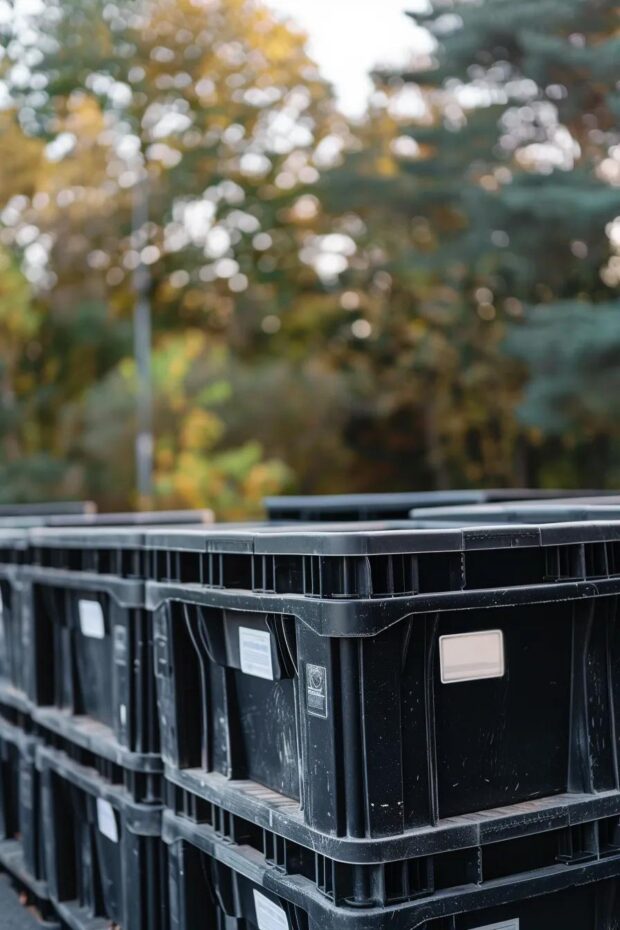
What to Know Before Renting Plastic Moving Boxes in Austin, TX
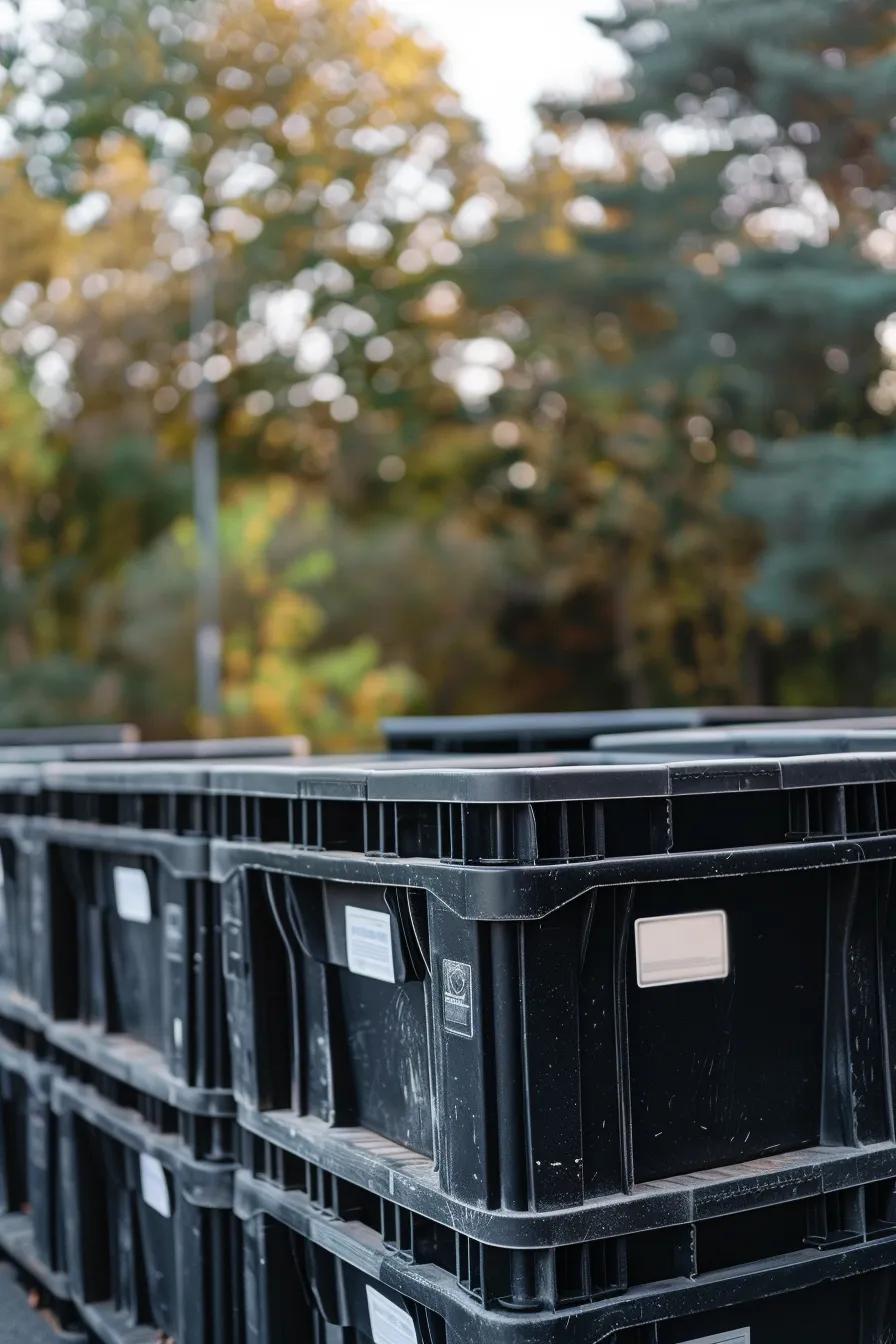
Moving around Austin — whether across town or into the city — is easier when you choose packing solutions that actually save time and headaches. Renting reusable plastic moving boxes has become a go-to for many locals and businesses because they’re sturdier than cardboard, stand up to Austin’s unpredictable weather, and cut down on post-move cleanup. This guide walks you through what renting entails, why plastic often beats cardboard, how rentals work here in Austin, and what to expect for sizes, costs, delivery, pickup, and sustainability. We address the common problems (soggy boxes, surprise disposal fees, vague rental terms) and give clear rules of thumb for box counts, workflow, and provider vetting. You’ll find checklists, quick estimates for typical apartments and small offices, and easy comparisons that make the choice simple: protect your stuff, save time, and reduce waste.
Why pick reusable plastic boxes instead of cardboard for an Austin move?
Reusable plastic boxes are built for repeat use — they won’t sag when wet, they stack neatly, and they handle heavy loads without falling apart like cardboard can. The advantage is straightforward: rigid plastic keeps its shape under pressure and keeps moisture out, which protects contents and cuts down on emergency repairs or re‑packing on move day. That reliability means fewer surprises and a smoother move — especially useful during Austin’s rainy spells. Below is a short comparison to help you decide quickly.
Quick highlights — plastic vs. cardboard:
- Durability & protection: Plastic holds up to stacking and moisture far better than cardboard.
- Lifecycle & waste: Reusable plastic reduces single-use box waste when boxes are cycled across moves.
- Cost over time: When you factor in reuse, time saved, and disposal avoidance, renting plastic often pays off.
Those practical benefits lead straight into how renting and returns actually work — the next section explains the process you’ll follow in Austin.
Plastic vs. cardboard — comparison and takeaways
| Material Option | Characteristic | Practical Value |
|---|---|---|
| Reusable plastic | Durable, water-resistant, stackable | Better protection for fragile items and less time repacking |
| Cardboard | Low upfront cost, recyclable (single-use) | Cheap per box but creates more work and waste for bigger moves |
| Disposal impact | Waste volume and recycling effort | Cardboard increases disposal tasks; rentals cut single-use waste |
This table shows the trade-offs so you can pick the rental approach that fits your move. Up next: a clear, step-by-step look at renting in Austin — from order to pickup.
Many people want to know exactly what to expect. Keep reading for a simple workflow you can follow for Austin-area rentals.
How do plastic moving boxes protect your things better?
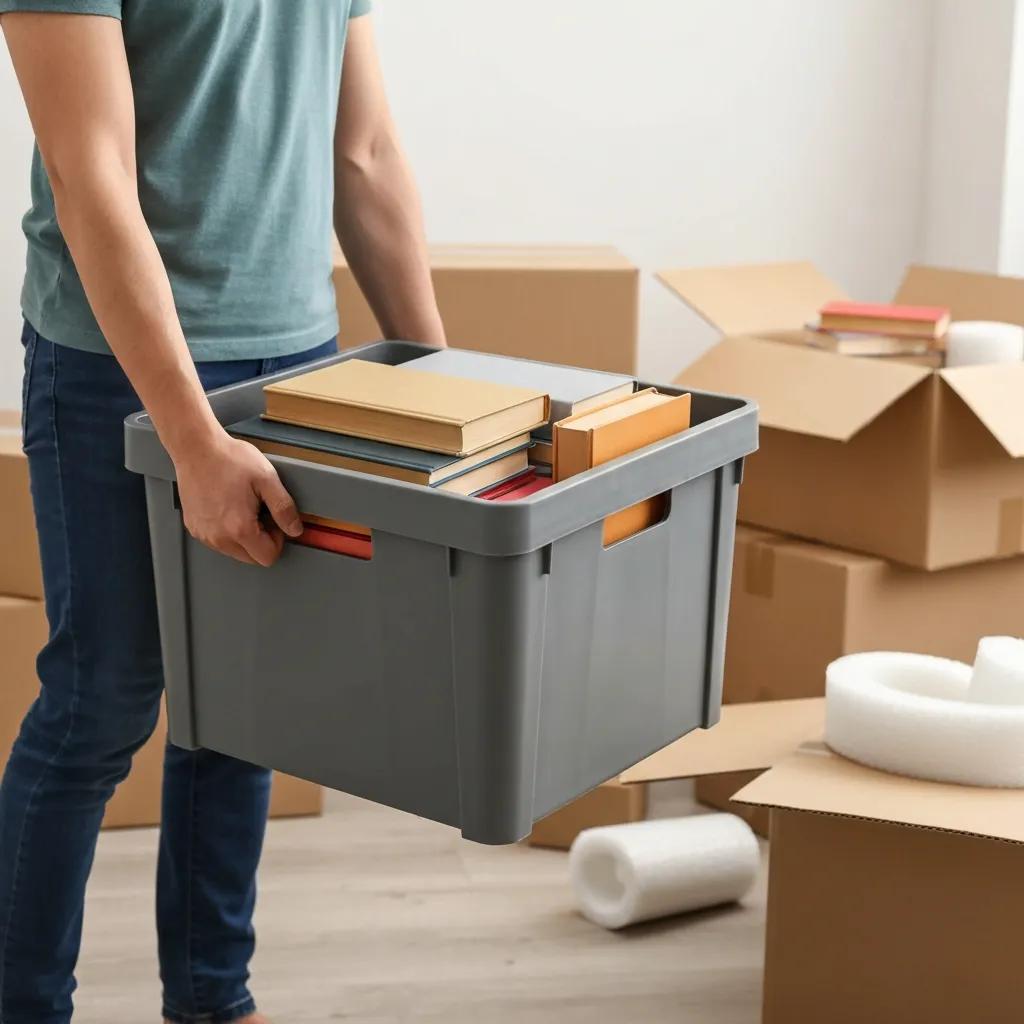
Plastic moving boxes protect belongings because their molded sides and reinforced corners resist impacts and keep their shape when stacked. That stability cuts down on crushing and shifting during transit — which matters most for electronics, dishes, framed art, and other fragile items. Built-in handles and lids help secure contents and make stacking safer, so you spend less time wrestling with sagging boxes. For example, books in small plastic boxes stay compact and are easier to carry than overstuffed cardboard that can rip or tear. And when a summer shower hits Austin, plastic keeps water out so your stuff stays dry. Knowing these mechanical benefits helps you decide which items to place in plastic boxes and which might need specialty crates.
Understanding durability naturally leads to thinking about environmental impact, which we cover next.
How do reusable boxes help the environment in Austin?
Reusable plastic boxes reduce the volume of single-use cardboard entering landfills and recycling streams because the same boxes are used for multiple moves. In plain terms: one reusable box can replace several cardboard boxes over its lifetime, lowering material throughput per household move and easing the burden on local collection systems. For Austin residents who care about waste reduction, rentals mean less curbside trash after a move and less time spent breaking down boxes. These environmental benefits tie directly into the rental logistics — ordering, receiving, and returning the boxes — which we’ll explain next.
How renting moving boxes in Austin actually works — delivery, pickup, and logistics
Renting moving boxes in Austin usually follows a straightforward flow: pick a package or mix-and-match counts, schedule delivery of pre-assembled boxes, use them for the agreed rental period, then arrange pickup. Delivered and assembled boxes save you time packing, and scheduled pickup removes the disposal hassle. That simple model gives you predictable timing around your move and removes the need to hunt for boxes, assemble them, or haul them to recycling. Here’s a step-by-step you can use when planning.
- Choose a package or select the exact number of boxes, then set a delivery date that matches your move.
- Receive assembled boxes during the scheduled delivery window and pack at your own pace.
- Finish your move within the rental period and request pickup for empty boxes.
- The provider collects the boxes, checks condition, and closes out the rental.
This sequence sets clear expectations and leads into the delivery and pickup details — covered in the next section.
What to expect from delivery and pickup in Austin
Most providers give a scheduled delivery/pickup window, deliver assembled boxes to a ground-level spot or lobby, and ask customers to provide access details so crews aren’t delayed. For apartments or high-rises in Austin, include gate codes, preferred loading areas, or concierge notes when you order. Confirm whether the driver will place boxes inside your unit or only curbside, because that affects how you plan packing and loading. Clear delivery instructions speed things up and reduce last-minute stress — and they matter even more if your building has limited access.
How flexible are rental periods and extensions?
Standard rentals usually run one to two weeks, with extensions available for an extra fee. Providers commonly allow extensions over the phone or online before the pickup window and charge daily or flat extension rates. Our tip: build a buffer around your move (packing days, move day, and a short unpacking window) and confirm extension terms when you book to avoid late fees. With the rental mechanics sorted, the next section helps you choose sizes and quantities that fit your home or office.
Choosing the right box sizes and how many you’ll need
Picking box sizes and quantities comes down to what you’re packing: weight, fragility, and room volume. The basic rule is practical — put heavy items in small boxes, mixed items in medium boxes, and light bulky items in large boxes. That approach speeds packing, makes carrying safer, and reduces trips. Use the table below to match common reusable box sizes to uses and estimated counts per room so you can build a rental order with confidence.
Box sizes, recommended uses, and typical counts
| Box Type | Ideal Uses | Typical Count per Room |
|---|---|---|
| Small reusable moving box | Books, tools, heavy kitchenware | 6–10 per bedroom or study |
| Medium reusable moving box | Dishes, small appliances, mixed items | 8–12 per kitchen/bedroom |
| Large reusable moving box | Linens, pillows, seasonal clothing | 4–6 per living area or master bedroom |
Use these counts to estimate totals, then adjust for how much you plan to donate or discard before the move. The next subsection explains which sizes work best for different belongings.
Which box sizes work best for which belongings?
Small boxes are for dense, heavy items (books, tools) so each box stays manageable; medium boxes are great for kitchenware or mixed items; large boxes are best for bulky, lightweight things like bedding and pillows. The goal is safe weight distribution — keep each box under a comfortable lifting limit to avoid injury and accidental drops. Helpful packing tips: secure lids, use dividers for glassware, and clearly label boxes by room and fragility to speed unpacking. These habits also help you refine total box counts.
How many boxes do you need for different home or office sizes?
Counts depend on how much you own, but here are conservative Austin estimates: studio (15–25 boxes), 1-bedroom (25–40), 2-bedroom (45–70), 3-bedroom (65–100). For small offices, counts vary based on equipment and filing. These figures assume a mix of small, medium, and large boxes and account for kitchenware, books, and clothing. To fine-tune your order, do a quick room-by-room audit, list major furniture to move, and subtract items you’ll donate or discard before moving. Next: how to think about cost when renting versus buying.
Cost factors to weigh when renting moving boxes in Austin
Costs include the box rental fee, delivery and pickup charges, any accessories (dollies, straps), and the value of time saved and disposal avoided. The comparison method is simple: add up the total renting cost (package + delivery/pickup + accessories) and compare it to buying (boxes + tape + padding + disposal time). Then factor in how many moves a reusable box can serve to see the break-even point. For one-off moves, renting often wins when you value convenience and less cleanup. The table below breaks down common options so you can compare line items clearly.
| Option | What’s Included | Typical Cost Components |
|---|---|---|
| Rental package | Boxes (by count), delivery, pickup, basic accessories | Rental fee plus delivery/pickup charges |
| Individual box rental | Per-box daily or weekly rate | Per-box fee × quantity plus delivery/pickup |
| Buying cardboard | Cardboard boxes, tape, padding, disposal | Purchase cost plus tape and disposal/recycling time |
With costs in view, the next sections compare renting versus buying and outline typical package types you’ll see from Austin providers.
Renting plastic boxes vs. buying cardboard — how they compare
Renting usually costs more per unit up front than buying cardboard, but the total comparison should include time savings, disposal effort, and the lower damage risk from sturdier boxes. For example, a two-bedroom move that needs 50 cardboard boxes may be cheaper on materials but will cost more in assembly, transit, and disposal time — while a rental package covers delivery and pickup, reducing the non-monetary workload. How often you move matters: occasional movers often prefer renting for convenience; frequent movers may amortize reusable boxes over multiple moves. Keep those trade-offs in mind when choosing a package.
What transparent packages do Austin rental companies typically offer?
Packages are usually tiered by dwelling size (studio, 1BR, 2BR, etc.) and list box counts, delivery, pickup, and included accessories so you can compare totals easily. Transparent pricing shows line items for delivery, pickup, replacement charges for damaged boxes, and extension fees to avoid surprises. Many local providers publish clear package breakdowns and ordering guides online — check those to match a package to your box-count estimate. That brings us to how eco-friendly options fit Austin priorities.
Note on a local example (business integration): Bronko Box serves the Austin area with delivered, assembled reusable boxes and post-move pickup. They offer packages, individual rentals, and moving accessories, positioning their service around convenience, sustainability, and protection. Seeing a local operator in action helps turn the concepts above into concrete choices for your move.
How eco-friendly moving boxes support sustainability in Austin

Reusable moving boxes fit circular‑economy thinking: they stay in service across multiple moves, which lowers the number of cardboard boxes sent to recycling or landfill after each move. The lifecycle swap — one reusable box replacing many single-use cardboard boxes — reduces material throughput and associated collection and processing emissions. For Austin movers who prioritize sustainability, rentals help cut the one-time waste spike that typically follows a move and align with local initiatives that favor reuse over disposable options. Below we outline how much waste can be avoided and practical steps you can take to maximize impact.
How much waste can reusable boxes prevent?
When reusable boxes replace dozens of single-use cardboard boxes in a typical 2-bedroom move, the reduction in corrugated material can be substantial. The exact impact depends on how often boxes are reused — every reusable box that stands in for multiple cardboard units lowers per-move waste and the transport emissions tied to recycling or disposal. To increase waste savings, combine rentals with decluttering before packing and donate or recycle unwanted items instead of moving them. Those simple steps boost the environmental benefit of a rental.
How Bronko Box supports sustainable moving in Austin
Bronko Box’s model — rent reusable boxes, get them delivered assembled, and have them picked up after your move — shows how a circular approach makes moving cleaner and easier. By removing the need to buy, store, and dispose of cardboard, the service reduces single‑use consumption and simplifies cleanup. Bronko Box also offers accessories that cut reliance on disposable packing supplies, helping customers choose a greener move without extra effort. Understanding each provider’s sustainability claims helps you pick the partner that matches your values.
Where to find reliable moving box rental services in Austin, TX
To find a trustworthy rental partner, compare delivery/pickup reliability, package transparency, local coverage, and customer feedback. The vetting process is simple: read multiple independent reviews, confirm clear pricing for delivery, pickup, and extensions, and make sure the provider serves your neighborhood and building type. Doing this reduces surprises and increases your chances of on-time delivery and pickup — especially important for apartments, gated communities, or high-rises where access rules can slow things down. Use the checklist below when evaluating vendors.
- Clear delivery and pickup policies with scheduled windows and access instructions.
- Transparent package descriptions that list box counts, included accessories, and extension fees.
- Confirmed local service area and experience with apartments/high-rises.
- Readable customer reviews that mention punctuality, box condition, and return ease.
Following this checklist will help you pick a provider that minimizes logistics friction and fits your budget and sustainability goals. The next section summarizes what customers usually say and the objective differences to watch for when comparing providers.
What do Austin customers say about rental experiences?
Most customers highlight convenience — delivered, assembled boxes and pickup — and durability: reusable plastic reduces repacking and weather-related damage compared with cardboard. Common customer caveats involve communication around pickup windows and replacement or damage policies, so confirm those details when you book. When reading reviews, look for consistent themes (on-time delivery, reliable pickup) rather than single comments — patterns give you the clearest signal about a provider’s performance.
How Bronko Box stands out among local competitors
Bronko Box focuses on a local, e-commerce rental model that emphasizes delivered, assembled reusable boxes plus pickup service, with an eco-friendly positioning and transparent package options. The main differences to note are operational convenience (delivery and assembled units), sustainability through reusable containers, and a local focus that understands Austin logistics. If saving time and avoiding post-move disposal matter to you, these are practical decision points when comparing providers.
With that perspective, you should be ready to compare options and choose the rental that fits your Austin move.
Frequently Asked Questions
1. What are the advantages of renting plastic moving boxes compared to buying them?
Renting plastic boxes removes the need to store or dispose of boxes after your move — you simply return them. Most rental services include delivery and pickup, which saves time and physical effort. Renting also means you won’t need to clean up a pile of cardboard or haul it to recycling. For many people, the time saved and reduced hassle make renting the better value, especially if you move infrequently.
2. How do I prepare for the delivery of rented moving boxes?
Give clear access instructions when you order: parking details, gate codes, and any concierge or loading dock rules. Have a designated spot ready where the driver can leave boxes, and confirm the delivery window so someone can receive them. These small steps prevent delays and make your packing process smoother.
3. Can I customize my rental order based on my specific moving needs?
Yes. Most companies let you choose box counts, sizes, and add accessories like dollies, straps, or packing supplies. Tell the provider what you’re moving and any special requests so they can recommend the right mix and avoid over- or under-ordering.
4. What should I do if I need more boxes than I initially ordered?
If you need more boxes, contact the rental company as soon as possible — many can deliver extras during your rental period. Expect additional charges for the extra boxes and possibly for a separate delivery, so confirm costs before they dispatch more items.
5. How do I ensure the rented boxes are returned in good condition?
Handle boxes with care, don’t overload them, and follow any cleaning or handling guidance from the provider. Inspect boxes before pickup and report any issues. Following the rental company’s care instructions will help you avoid damage or replacement fees.
6. Are there any environmental benefits to renting plastic moving boxes?
Yes. Renting reusable boxes reduces the number of single-use cardboard boxes produced and discarded, which cuts waste and the energy tied to recycling. When combined with decluttering and donating unwanted items, rentals make moves significantly greener.
7. What factors should I consider when choosing a moving box rental provider?
Look at reputation and reviews, clear pricing and package details, delivery and pickup policies, and whether they serve your neighborhood and building type. Also check what’s included (boxes, lids, accessories) and any fees for damage or extensions so there are no surprises.
Conclusion
Renting reusable plastic moving boxes in Austin gives you durability, convenience, and a smaller environmental footprint — a practical choice for anyone who wants a smoother move. By picking the right sizes, estimating counts, and choosing a transparent local provider, you protect your belongings, save time, and reduce waste. Ready to simplify your move? Explore local rental options and pick the package that fits your timeline and priorities.
Filed under: Blog