Discover the real benefits of reusable moving boxes versus traditional cardboard

Reusable moving boxes are stackable, hard-wearing plastic containers built to replace single-use cardboard for home and business moves. They deliver clear advantages across four areas: environmental impact, cost, protection, and time saved. Below we explain what reusable boxes are, why they outperform cardboard in key ways, and how those benefits translate into a less stressful, greener move for families and companies. You’ll get practical numbers on waste diversion, a side‑by‑side cost comparison that includes hidden expenses, a breakdown of protective features that reduce damage, and packing and logistics tips that can shave hours off moving day. We also cover how pre-assembled units, standardized sizes, and delivery/pickup logistics remove prep and disposal headaches — plus what that looks like for customers in Austin and nearby cities. Lastly, we show how a local reusable-box rental provider packages residential and commercial options so switching is simple and cost-effective.
What are the environmental benefits of using reusable plastic moving boxes?

Reusable plastic moving boxes cut single-use waste by replacing cardboard that’s usually thrown out after one move. Instead of repeating production for every relocation, the environmental cost of a plastic box is spread over many moves — so per-move energy and material use fall. Standard sizes also reduce extra packing materials like tape and foam, meaning fewer pounds of waste head to a landfill after each move. The lifecycle comparisons that follow use conservative numbers so you can see how reuse adds up over time.
How do reusable boxes reduce waste compared to cardboard?
Reusable boxes stop the one‑and‑done lifecycle of cardboard: rather than flattening and discarding dozens of boxes after a move, the same plastic containers get cleaned and put back into service. A typical 3‑bedroom move can produce dozens of flattened boxes and used tape, which often end up in the trash if not recycled. Reusable systems remove that stream by collecting containers for return, cutting both disposal trips and the time spent breaking down boxes. Those operational savings also reduce vehicle emissions from disposal runs — a useful step before we quantify resource and carbon impacts over multiple moves.
Note before the table: the figures below are conservative per-move waste‑diversion estimates based on industry recycling and material‑weight averages to give a practical sense of pounds diverted and simple conversions.
| Waste Metric | What It Measures | Conservative Per-Move Estimate |
|---|---|---|
| Landfill waste diverted | Pounds of box/tape avoided | ~80–120 lbs per 3-bedroom move |
| Plastic wrap / tape reduction | Ancillary single-use materials avoided | ~2–5 lbs per move |
| Cardboard boxes avoided | Number of cardboard boxes not used | ~30–50 boxes per move |
These conservative estimates show how reusable systems divert meaningful physical waste per move. The numbers scale with house size, which helps set up the lifecycle carbon comparison next.
What impact do plastic moving boxes have on resource conservation and carbon footprint?
When the emissions from making a durable plastic container are spread over many reuse cycles, the per‑move CO2 and material use fall below repeated cardboard production. Cardboard depends on paper fiber — trees, water, and pulping energy — while plastic boxes require molded polymers and an upfront manufacturing step. Reuse spreads that initial impact across multiple moves. Avoiding 30–50 cardboard boxes per move can save the equivalent of several trees’ worth of paper and cut CO2 linked to pulping, drying, and transport. Lifecycle studies generally show a reuse threshold — often around 10 reuses — after which plastic boxes outperform single‑use cardboard on carbon per move; in busy metro areas like Austin, that threshold is commonly reached through rental turnover.
Economic and Environmental Assessment of Reusable Plastic Containers vs. Cardboard Boxes
This study measures the economic returns and environmental impacts of reusable plastic containers (RPC) compared with disposable options like cardboard boxes and plastic crates. It quantifies costs and emissions across life cycles to show when reusable systems deliver clear benefits.
Economic and environmental assessment of reusable plastic containers: A food catering supply chain case study, R Accorsi, 2014
How do reusable moving boxes save you money compared to traditional cardboard?
Reusable moving boxes can lower total moving costs by shifting expenses from repeated one‑time purchases to predictable rental fees and by cutting hidden costs like assembly, disposal, and damage replacement. Renting eliminates the need to buy dozens of boxes, tape, and padding and removes disposal time and fees. For many residential moves, rental fees plus fewer replacement expenses add up to a net saving — the comparison tables below make those tradeoffs clear. After the numbers we include a short ROI example and a simple path to renting.
What are the upfront and long-term cost differences between plastic and cardboard boxes?

At first glance cardboard seems cheaper per unit, but hidden and recurring costs add up. Buying 30–50 boxes plus tape and padding, spending hours assembling them, and then dealing with disposal or recycling creates variable costs. Reusable rentals replace those variables with predictable fees and usually include delivery and pickup, which reduces labor and disposal expense. Add in lower damage rates for fragile items and the long‑term financial picture tends to favor rentals for many households and businesses. The table below gives a conservative expected‑value comparison.
Intro to comparison table: this table contrasts recurring and hidden costs between renting reusable boxes and buying cardboard for a typical move.
| Cost Category | Reusable Box Rental | Buying Cardboard |
|---|---|---|
| Upfront per-move cost | Predictable rental fee (varies by provider) | Purchase of 30–50 boxes + tape |
| Recurring costs | Low (no disposal, no assembly time) | High (tape, padding, replacement) |
| Disposal costs | Included with pickup | Time/hauling or disposal fees |
| Damage risk | Lower (durable protection) | Higher (collapse, water damage) |
| Resale/reuse value | Not applicable to renter; provider reuses | Possible resale for small recovery |
In short: cardboard’s unit price hides ongoing time and replacement costs, while rentals turn those into predictable, often lower, total expenses.
Life Cycle Cost Analysis of Reusable Packaging: Economic and Sustainability Benefits
This review finds that with good reverse logistics, reusable packaging commonly produces substantial long‑term cost savings. It highlights the role of logistics and design in lowering lifecycle costs and recommends further research into precise cost models for different reuse scenarios.
Review of Life Cycle Cost Analysis for Reusable Packaging for the Retail Industrial, 2024
How does renting reusable boxes eliminate hidden moving costs?
Renting removes common hidden costs like buying tape, driving to pick up boxes, assembling them, and hauling away used cardboard. Rental services usually deliver pre‑assembled units and collect them after your move, turning hours of labor into a single predictable fee. Because reusable boxes are stronger and stack more reliably, you also lower the chance of damaged items — which reduces replacement or insurance claims. Ready to switch? You can browse boxes, schedule delivery, and add packing supplies online to make the move straightforward.
Why are plastic moving boxes more durable and protective than cardboard boxes?
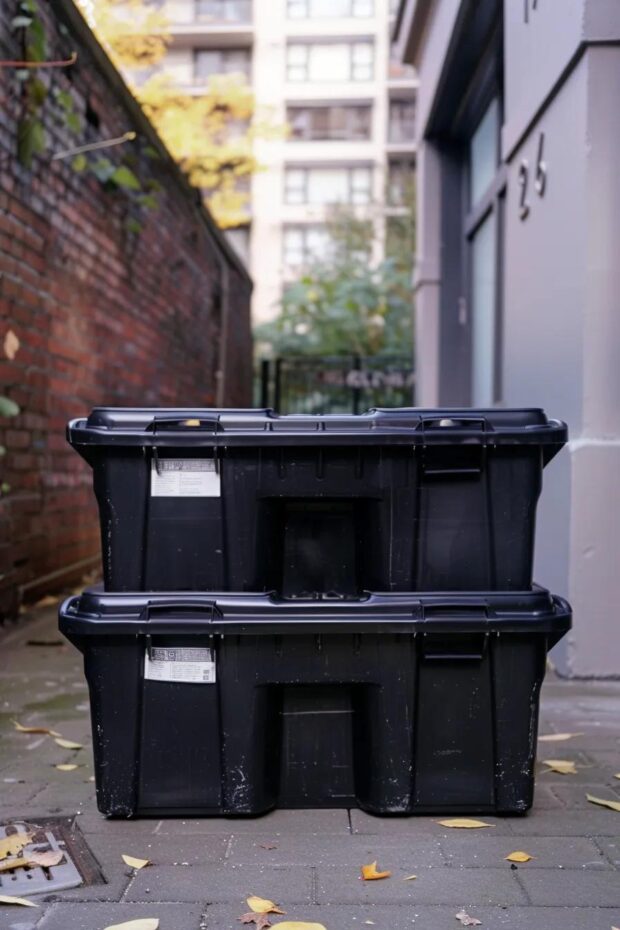
Plastic moving boxes protect better because their rigid, molded construction resists crushing, supports heavy stacks, and often includes lids and handles that secure contents. Uniform dimensions and locking lids reduce shifting and compressive damage during transit, and the non‑porous surface keeps moisture out — a frequent cause of cardboard failure. Those traits mean fewer broken items (books, electronics, kitchenware) and safer stacking in trucks and storage, which translates into lower damage costs and smoother logistics on moving day.
What features make reusable plastic boxes superior for protecting your belongings?
Reusable boxes are engineered with interlocking lids, reinforced corners, integrated handles, and consistent wall thickness so they don’t collapse under load. Lids keep dust and debris out and let you stack higher without boxes sliding, which improves truck space efficiency. Built‑in handles and standardized sizes speed loading and unloading and reduce mishandling, lowering the chance of drops and dents to fragile items. Combined with accessories like dollies and moving wheels, reusable boxes form a complete protection system for household goods.
Before the table: the breakdown below quantifies protective attributes and expected lifespan to compare performance against cardboard.
| Protective Feature | Attribute | Typical Impact |
|---|---|---|
| Material strength | Rigid molded polymer | High crush resistance |
| Water resistance | Non-porous surface | Prevents sogginess and collapse |
| Stackability rating | Interlocking lids | Stable vertical loads |
| Lifespan (reuses) | Durable design | Dozens to hundreds of moves |
This features table shows how engineered elements in reusable boxes address cardboard’s common failure points, leading to fewer damaged items and a more predictable move.
How do plastic boxes resist weather, water, and pests better than cardboard?
Plastic boxes don’t absorb water, so they keep their shape and strength in rain or humid storage — unlike cardboard, which can sag and collapse. Their impermeable surface also helps prevent mold and mildew. Because plastics don’t offer food fibers, they’re less attractive to pests and nesting insects than corrugated paper. Those durability differences make plastic a better choice for moves that face weather exposure or temporary storage, and they pair naturally with the logistical advantages described next.
Reusable Plastic Crates vs. Cardboard Boxes: A Delivery System Comparison
This comparison notes that plastic crates are durable and washable, so they can be reused many times, while cardboard is typically single‑use and then recycled or disposed. The durability and reusability of plastic have important effects on environmental impact and cost-effectiveness.
Reusable plastic crate or recyclable cardboard box? A comparison of two delivery systems, J Judl, 2014
How do reusable moving boxes offer greater convenience and efficiency during your move?
Reusable boxes speed up moves by arriving ready to use, sharing standardized sizes, and simplifying labeling — all elements of a standardized packing process. Pre‑assembled containers eliminate hours of folding and taping, and predictable box dimensions make loading and truck space planning faster. Lids and clear labeling systems speed unpacking because boxes are already sorted by room or fragility, which reduces post‑move sorting. After the packing workflow advantages below, we explain how delivery and pickup from local rental services can make the whole process nearly hands‑free.
What makes ready-to-use, stackable plastic boxes easier to pack and unpack?
Standard sizes and lids let you pack by function and stack predictably, which reduces the mental overhead and time spent deciding what goes where. Pre‑labeled or consistently labeled boxes mean movers or family members can place boxes directly into rooms without re‑checking contents, saving minutes per box that add up quickly. Better stackability also reduces the number of trips and optimizes truck use, lowering labor and vehicle time. Those efficiencies translate to immediate time savings and less stress on move day — especially when delivery and pickup are included.
How does Bronko Box’s delivery and pickup service simplify your moving process?
Bronko Box delivers pre‑assembled reusable boxes to your door and picks them up after the move, creating a turnkey flow: you receive containers, pack and move, then we collect them. Scheduled contactless delivery and pickup windows minimize coordination and remove the need to assemble boxes or drive to drop off used cardboard, saving time and local vehicle miles. For customers in Austin, Round Rock, and Kyle, our local routes mean faster turnaround and practical reuse cycles. Ready to get started? Find boxes, schedule delivery, and add packing supplies in a few clicks on our site.
What makes Bronko Box the best choice for reusable moving boxes in Austin and surrounding areas?
Bronko Box is an Austin, TX company that rents eco‑friendly, heavy‑duty reusable moving boxes for homes and businesses, with delivery and pickup built into the service so moves are simpler. Serving Austin, Round Rock, and Kyle lets us keep routes short and turnaround fast for local renters. We offer bundled rental packages plus packing supplies like moving wheels and bubble wrap to create complete move kits for households and commercial clients. Those local logistics and kit options make switching from cardboard easy and help cut waste in the community. Ready to explore boxes and packages? Book online or contact our local team.
How does Bronko Box support residential moves with eco-friendly solutions?
Our residential packages combine pre‑assembled reusable boxes and optional packing supplies so you spend less time prepping and more time moving. Receiving standardized containers removes clutter from cardboard piles and eliminates post‑move disposal because pickup is included. The environmental upside is immediate: fewer cardboard boxes consumed locally and less tape and plastic wrap in the waste stream. These practical benefits make it simple for homeowners to choose a greener move without giving up protection or convenience.
What commercial moving advantages does Bronko Box provide with durable plastic boxes?
For businesses, Bronko Box’s durable containers and consistent sizing support repeatable, scalable moves where equipment and files need reliable protection. Standardized crates simplify inventory‑style packing and tracking during office relocations or rollouts, and fleet rentals let companies scale container counts predictably. The boxes’ durability and stackability reduce loss and damage compared with ad‑hoc cardboard, which can lower replacement and insurance costs over repeated moves. These commercial moving advantages help companies move with minimal downtime and predictable outcomes.
What common questions do customers have about reusable moving boxes vs. cardboard?
People typically want to know if reusable boxes are worth it and how many times they can be reused. The best answers combine cost amortization with durability and sanitation practices. Below are short, practical responses that weigh cost, convenience, environmental impact, and provider operations — especially delivery, pickup, and cleaning — so you can decide if renting fits your move.
Are reusable moving boxes worth the investment compared to cardboard?
Yes — for many people. Reusable boxes make the most sense if you value lower hidden costs, better protection, and environmental benefits. Avoiding dozens of cardboard boxes, saving hours of assembly and disposal, and reducing damage to belongings often leads to net savings or a cost‑neutral outcome with better convenience. In many cases the break‑even point appears after the first or second move for active households. Cardboard can still be sensible for very small, one‑time moves if you can reliably source free boxes and don’t mind disposal.
How many times can you reuse plastic moving boxes?
Reusable plastic moving boxes typically withstand dozens of reuse cycles under normal handling. Actual lifespan depends on handling, storage, and how well the provider inspects and maintains the fleet. Rental companies that clean and inspect boxes routinely can keep them in service many times longer than cardboard, which is usually single‑use. For renters, the practical takeaway is reliability: these containers are designed to be reused safely across multiple moves.
Ready to switch? Browse our boxes, schedule delivery, and add packing supplies online to get started.
Frequently Asked Questions
What are the best practices for cleaning reusable moving boxes before returning them?
Wipe boxes with a mild detergent and warm water, using a soft cloth or sponge to clean corners and seams. Rinse if needed and let the boxes air dry completely before return. Some rental providers will have specific cleaning instructions or offer cleaning as part of the service, so check their guidelines if you’re unsure.
Can reusable moving boxes be used for long-term storage?
Yes — their durable, moisture‑resistant construction makes them well suited for long‑term storage. Unlike cardboard, plastic boxes keep their shape and help protect contents from pests and humidity. Store them in a cool, dry spot to avoid warping, and label boxes clearly so you can find items later.
How do I choose the right size of reusable moving boxes for my belongings?
Pick sizes based on item weight and volume: smaller boxes for heavy things like books, medium for kitchenware and clothes, and larger boxes for lightweight items such as bedding or pillows. Rental services typically offer size recommendations if you share a short inventory or tell them the number of rooms you’re moving.
Are there any limitations on what can be packed in reusable moving boxes?
Reusable boxes are versatile, but avoid perishable food, loose liquids, and hazardous materials that can leak or cause damage. Distribute very heavy items across multiple boxes to prevent strain. Always check your rental agreement for any provider-specific restrictions.
How do I handle damaged reusable moving boxes during my rental period?
If a box is damaged while it’s rented to you, contact the provider right away. Most companies document damage and will repair or replace the unit per their policy. Take photos of the damage and avoid attempting repairs yourself unless the provider authorizes it.
What should I do if I need more boxes than I initially ordered?
Contact your rental provider as soon as possible — many can deliver extra boxes on short notice. Be prepared to pay an additional rental fee and confirm return terms for any extras. A helpful tip is ordering a few spare boxes up front to avoid last‑minute stress.
Can I customize the rental period for reusable moving boxes?
Yes, most rental companies offer flexible periods — daily, weekly, or monthly — and can often accommodate extensions. If you think you’ll need the boxes longer, discuss options and potential extension fees with your provider when you book.
Conclusion
Choosing reusable moving boxes over cardboard makes moves cleaner, easier, and often cheaper — while giving your belongings better protection. The environmental and financial benefits, combined with local delivery and pickup, make reusable rentals a smart choice for households and businesses alike. Pick Bronko Box to simplify your move and support sustainable practices in your community. Explore our boxes and packages to make your next move smoother and greener.
Filed under: Blog