Why Austin Movers Choose Eco-Friendly, Reusable Moving Boxes for a Easier, Greener Move

Moving generates more waste and hassle than most people expect. In Austin, homeowners and businesses increasingly want a cleaner, simpler option—and reusable plastic moving boxes deliver both. This guide explains why eco-friendly moving boxes—specifically reusable plastic crates—are a practical alternative to single-use cardboard for residential and commercial moves around Austin. You’ll learn how reusable crates cut waste and greenhouse gas emissions, save money across multiple moves, and better protect your things. We’ll compare lifecycle tradeoffs with cardboard, estimate local environmental benefits for a typical 3‑bedroom move, and walk through the rental steps that make the process straightforward. We also cover business use cases, operational checklists for logistics teams, and how to rent locally with a contactless workflow that fits Austin’s sustainability goals.
What Are the Environmental Benefits of Using Eco-Friendly Moving Boxes in Austin?

Reusable moving boxes dramatically cut single‑use waste and keep large amounts of cardboard out of curbside collections—exactly the kind of results Austin’s waste‑diversion plans aim for. Swap dozens of disposable boxes per household move for a set of durable plastic crates that get used dozens to hundreds of times, and the effect is simple: fewer boxes made, fewer boxes thrown away, and less strain on local recycling and landfill systems. When you spread the production footprint over many uses, per‑move embodied emissions fall. That’s why understanding reuse mechanics matters when you want to match Austin’s zero‑waste goals and still save resources and money.
Reusable boxes reduce landfill loads in two main ways:
- They eliminate the need to discard cardboard after a move by keeping the same crates in circulation.
- They cut demand for new cardboard by replacing many single‑use boxes with long‑lasting crates.
Those two pathways support municipal diversion targets and create repeatable local carbon reductions. Below we quantify how a typical home move translates into concrete environmental benefits.
How Do Reusable Moving Boxes Reduce Waste and Landfill Impact?
The biggest waste reduction comes from preventing dozens or even hundreds of cardboard boxes from being thrown out after one move. A typical 2–3 bedroom move often leaves a pile of flattened boxes that either head to landfill or require energy‑intensive recycling. Rental crates stop that disposable stream because the same units circulate between customers. That reuse cycle cuts raw‑material demand and reduces how often the city has to collect and process bulky cardboard. It also makes cleanup easier for residents and facilities teams, and lowers the chance of illegal dumping or expensive bulky‑waste pickups.
We’ll show practical examples next, then move into carbon lifecycle comparisons.
What Is the Carbon Footprint Reduction from Using Plastic Moving Box Rentals?
Lifecycle emissions fall when reusable crates are spread across many moves: the production emissions per move shrink as the number of uses climbs, and disposal emissions are mostly avoided compared with single‑use cardboard that needs recycling or landfill handling. In Austin, fewer truck trips for cardboard disposal and less processing at local facilities also reduce operational emissions. Studies and municipal reports show reuse models with local logistics can cut per‑move carbon footprints significantly—especially when delivery and pickup routes are routed efficiently.
Most reusable plastic crates have a higher upfront carbon cost than a single cardboard box, but divided over dozens or hundreds of moves the per‑move footprint drops substantially. In Austin, fewer bulky pickup trips and lower processing volumes amplify those carbon savings. The next section looks at economic and protective benefits that often come with the environmental upside.
| Entity | Attribute | Value |
|---|---|---|
| Move of 3-bedroom home (average) | Cardboard waste to landfill/recycling | ~200–350 lbs diverted per move when using reusable crates |
| Move of 3-bedroom home (average) | Reuse cycles required to break even (emissions) | ~50–75 uses (range depends on crate type and logistics) |
| Move of 3-bedroom home (average) | Approx. carbon footprint reduction per move | 20–50% lower per-move CO2e once amortized (city-optimized pickup) |
This table estimates local environmental outcomes for a common household move, showing how reuse cycles translate into landfill and carbon reductions. These numbers help turn sustainability goals into measurable, local impact.
How Do Eco-Friendly Moving Boxes Save Money and Protect Your Belongings?

Reusable moving boxes save money over time by removing repeated cardboard purchases, cutting damage‑related replacement costs, and reducing hours spent assembling and breaking down boxes. Reuse spreads manufacturing and logistics costs across many users, and the durable design lowers breakage for fragile items. Households and businesses that move often—or run large relocations—see the biggest gains because they avoid repeated one‑time purchases and disposal fees. Looking at total cost of ownership—including rental fees, fewer replacements, and labor savings—helps you objectively compare options and pick the most economical, protective solution.
Protection and cost go hand in hand: better protection equals fewer claims and replacements, which lowers direct costs and operational disruptions. The table below gives a quick comparison of core cost and protection attributes for reusable plastic rentals versus single‑use cardboard.
What Are the Long-Term Cost Savings Compared to Cardboard Boxes?
Across multiple moves, renting reusable plastic crates usually reduces total costs because you stop buying, taping, and throwing away cardboard each time. Savings come from fewer box purchases, less time packing and hauling waste, and fewer replacement buys for damaged items. For medium households and organizations that move repeatedly, those savings add up—labor hours saved on assembly and disposal can offset rental fees. When businesses factor in reduced downtime and simpler logistics, the long‑term total cost of ownership often favors reuse, especially for enterprise moves.
How Do Durable Plastic Boxes Offer Superior Protection for Valuables?
Commercial‑grade plastic crates give you rigidity, moisture resistance, and predictable stacking strength—qualities that reduce breakage and protect fragile items during transit. The material and design resist crushing and keep contents steady when stacked, unlike cardboard that weakens with humidity or heavy loads. That protection lowers replacement costs for electronics, glassware, and sensitive equipment and reduces insurance claims after moves. Practically, you get easier handling for movers, fuller truck loads, and less repacking—saving time and protecting assets.
| Entity | Attribute | Value |
|---|---|---|
| Reusable Plastic Box (rental) | Average uses | 100+ (durable commercial-grade plastic) |
| Reusable Plastic Box (rental) | Typical damage rate during moves | Low (rigidity and stack design reduce breakage) |
| Single-use Cardboard Box | Average uses | 1 (single move; potential reuse limited) |
| Single-use Cardboard Box | Typical damage rate during moves | Moderate–High (susceptible to moisture and crushing) |
This comparison shows why reusable crates become cost‑effective: high reuse counts and lower damage rates produce clear savings over time. Next, we’ll show how a local provider turns these benefits into a convenient rental service.
How Does Bronko Box Provide Convenient and Efficient Moving Solutions in Austin?
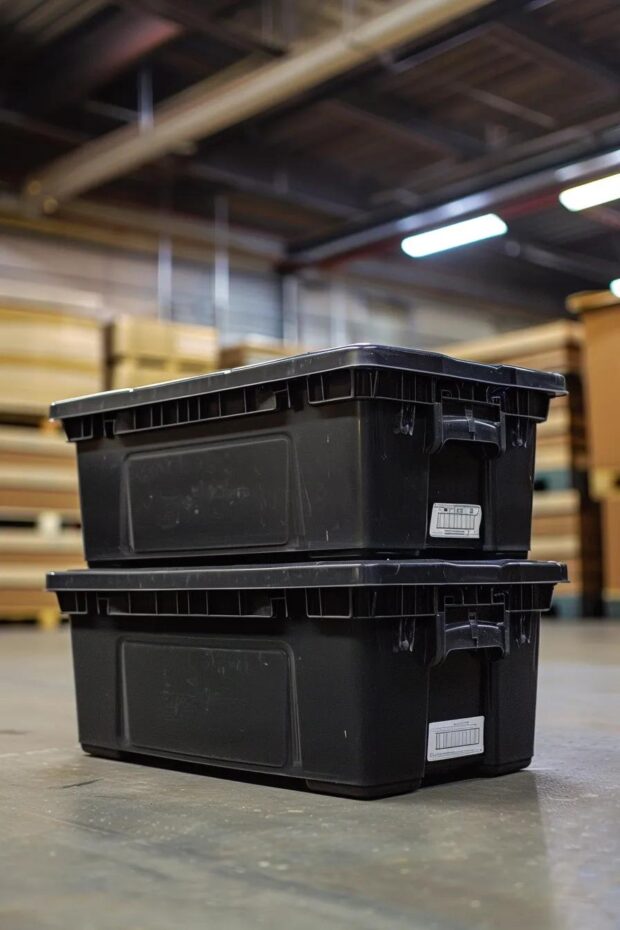
Bronko Box is an online moving‑supply platform renting reusable plastic moving boxes throughout Austin, Round Rock, and Kyle. We turn environmental benefits into a local, practical service: easy discovery, simple selection, and contactless delivery and pickup so you can choose sustainability without adding hassle. Our packages come pre‑assembled and stackable for efficient loading, and they’re tailored for both homes and businesses. Knowing these operational details helps you see how rentals fit into a real move while keeping the environmental upside intact.
Below is a compact operational breakdown highlighting Bronko Box’s service features, timelines, and convenience points to help you decide.
What Is the Process for Contactless Delivery and Pickup of Bronko Boxes?
Our contactless workflow follows a clear sequence: discover the right package online, select residential or commercial options, schedule delivery, use the crates for your move, then set up a contactless pickup. Delivery usually involves a drop‑off with photo confirmation; pickups run on scheduled routes with secure retrieval and sanitization. Cleaning is part of the return process so each crate meets hygiene expectations before the next rental. This step‑by‑step flow reduces in‑person contact, eases scheduling for homeowners and facilities teams, and matches modern convenience expectations.
- Discover: Browse packages and size options for residential or commercial moves.
- Select: Pick the package that fits your move size and preferred delivery window.
- Schedule: Choose your delivery and pickup dates and confirm contactless instructions.
- Use: Pack and move with pre‑assembled, stackable crates built for efficient loading.
- Return: Schedule contactless pickup; crates are collected and sanitized for the next rental.
This checklist sets clear expectations for timing and hygiene, helping both individuals and businesses plan efficiently.
| Entity | Attribute | Value |
|---|---|---|
| Delivery | Lead time | Typically 24–48 hours (scheduling-dependent) |
| Pickup | Lead time | Route-based pickup within scheduled window |
| Sanitization | Process | Cleaning between rentals to maintain hygiene standards |
| Ordering | Channel | E-commerce platform for discovery and selection |
These operational details—contactless logistics, sanitization, predictable lead times—help you plan a move with confidence. Next, we explain how pre‑assembled, stackable crates speed loading and transport.
How Do Pre-Assembled, Stackable Boxes Improve Moving Efficiency?
Pre‑assembled, stackable crates eliminate time spent building and taping cardboard, directly cutting packing time and labor costs. Their rigid shape supports consistent stacking that maximizes truck space, which can mean fewer trips and lower transport emissions. For commercial moves, standard crate sizes simplify inventory tracking and staging across floors without reassembling packaging. Those operational gains translate into faster pack/unpack cycles, lower mover labor costs, and less disruption to business operations.
Knowing how these design features create measurable time savings helps when planning complex moves.
Why Are Eco-Friendly Moving Boxes Ideal for Austin Businesses and Commercial Moves?
Commercial relocations need predictable logistics, minimal downtime, and measurable sustainability results—areas where reusable moving boxes excel. For businesses, the value combines operational efficiency (standardized crates and labeling), lower waste handling costs, and a tangible sustainability story to share with customers and staff. These benefits reduce relocation risk, shorten office downtime, and support corporate sustainability reporting. Treating reusable crates as part of the relocation playbook helps procurement, facilities, and project teams plan cleaner, faster moves.
The next subsection gives a logistics checklist for enterprise rentals and summarizes common benefits Austin organizations report after switching to reusable crates.
How Do Commercial Plastic Moving Boxes Support Sustainable Office Relocations?
Commercial crates scale well because standard dimensions and stackability speed packing and staging across multiple floors or sites. The operational wins include less packaging waste to handle, quicker unpacking with labeled crates, and more efficient truck loading that shortens downtime. For IT and sensitive equipment, crates add protection and reduce the risk of costly replacements or outages—improving relocation ROI. Pair reusable boxes with coordinated pickup and sanitization protocols to lower internal facilities costs tied to waste and post‑move cleanup.
This approach makes reusable crates a compelling operational choice for businesses that measure relocation success by time‑to‑productivity and waste reduction.
What Are Austin Businesses Saying About Their Experience with Bronko Box?
Local organizations consistently report simpler logistics, less post‑move waste, and stronger alignment with sustainability messaging after adopting reusable crate rentals. Facilities and moving teams value the predictability of standardized packaging for inventory, labeling, and staged moves. Reduced waste handling and better protection for equipment mean fewer surprises and smoother transitions. While we’re still building formal case studies, early feedback shows rentals support both operational needs and sustainability goals across Austin businesses.
These business benefits set up a direct comparison between reusable crates and standard cardboard to highlight tradeoffs for different scenarios.
How Do Eco-Friendly Moving Boxes Compare to Traditional Cardboard Boxes?
Reusable plastic crates and cardboard differ on durability, lifecycle footprint, and total cost. In short: plastic needs more resources up front but lowers per‑move impact when reused extensively, while cardboard is cheap for one‑off uses but adds up in repeated moves. Key factors to weigh are reuse amortization, protection performance, and end‑of‑life handling. Consider how often you move, what you’re protecting, and local recycling options when choosing. The table and text below summarize the main differences to help you decide.
What Are the Key Differences in Durability and Reusability?
Plastic crates are built for repeat use: rigid walls, stacking features, and moisture resistance that hold up over many cycles. Cardboard is flexible and inexpensive for single moves but weakens with moisture and heavy loads. That leads to different outcomes: reusable crates give secure stacking and predictable handling; cardboard needs conservative packing density and frequent replacement. For heavy, valuable, or moisture‑sensitive items, the protection from plastic often outweighs cardboard’s lower upfront cost.
These material differences feed into the cost and environmental calculations covered next.
How Do Environmental Footprints and Costs Compare Between Plastic and Cardboard?
Lifecycle comparisons show cardboard has lower production emissions per unit but higher per‑move emissions when used only once—thanks to repeated manufacture and disposal. Plastic crates carry a higher initial production cost but much lower amortized emissions over many moves. End‑of‑life differs too: cardboard is widely recyclable but still requires collection and processing, while hard plastics need centralized cleaning and reuse systems to avoid eventual disposal. Cost comparisons depend on move frequency: for occasional single moves, cardboard can be cheaper up front; for repeat movers and businesses, reusable crates usually lower long‑term total cost of ownership.
| Entity | Attribute | Value |
|---|---|---|
| Reusable Plastic Crate | Typical lifecycle | 100+ uses; refurbished and sanitized between rentals |
| Cardboard Box | Typical lifecycle | Single use; variable recycling rate (approximately 60-70% in Austin) |
| Environmental tradeoff | Per-move CO2e | Plastic lower after amortization; cardboard lower per-unit but higher aggregated |
This lifecycle summary clarifies tradeoffs so you can choose based on move frequency, protection needs, and local processing realities.
How Can You Get Started with Renting Eco-Friendly Moving Boxes in Austin?
Renting reusable moving boxes is simple: estimate your move size, pick a residential or commercial package, schedule contactless delivery and pickup, and prep crates for return so they’re ready for sanitization. The discover → select → schedule flow makes rentals straightforward for homeowners and facilities managers alike. Align dates with moving crews to minimize downtime, and pick eco‑friendly supplies—labels, reusable padding, paper void fill—to keep the move low‑impact. Below is a lean rental workflow for fast planning and action.
Follow these three simple steps to rent boxes and start a greener move:
- Discover available residential or commercial packages and estimate crate counts for your move.
- Select the package and schedule contactless delivery with your preferred dates and drop‑off instructions.
- Schedule delivery and pickup, and plan return logistics so crates are ready for sanitization and reuse.
What Are the Simple Steps to Rent Bronko Boxes for Your Move?
Turn your sustainability choice into a completed rental by using our platform to pick the right residential or commercial package, schedule a contactless delivery window, and arrange pickup. Label and stage crates for movers before the move; after use, confirm pickup instructions so sanitized crates are collected efficiently. Our e‑commerce flow keeps discovery, selection, scheduling, and contactless handoff inside one platform—reducing back‑and‑forth and making the rental experience smooth from start to finish.
Where Can You Find Eco-Friendly Packing Supplies and Support in Austin?
Pair reusable crates with sustainable packing materials—recyclable paper fill, reusable fabric padding, and compostable labels—to preserve the low‑impact benefits of rentals. Local programs and community recycling resources can advise on best disposal or recycling for any leftover materials. For businesses, bundling sustainable supplies with crate rentals simplifies logistics and strengthens sustainability reporting. Stage supplies and use a clear labeling system to speed unpacking and make crate returns for sanitization efficient.
Frequently Asked Questions
1. What types of items are best suited for eco-friendly moving boxes?
Reusable plastic crates work well for many items—fragile goods, electronics, books, and even heavy equipment. Their rigid build and moisture resistance protect valuables better than cardboard, and stackable sizes keep things organized in trucks. For businesses, standardized crate dimensions also simplify inventory and staged moves.
2. How do I ensure the cleanliness of rented moving boxes?
Bronko Box and similar services follow sanitization steps between rentals: each crate is cleaned and inspected before it goes back out. We also ask customers to return crates in reasonably clean condition. That keeps the units hygienic and ready for the next user.
3. Can I customize the rental package for my specific moving needs?
Yes. Rental services like Bronko Box offer flexible packages—choose the number of boxes, sizes, and extra supplies that match your move, whether residential or commercial. Customizing helps you avoid excess materials and keeps the move more sustainable.
4. What should I do if I need more boxes during my move?
If you need extra boxes mid‑move, most providers allow quick adjustments—just contact them to request more crates. While it’s best to estimate ahead, the option to add boxes helps cover surprises or last‑minute changes.
5. Are there any restrictions on where I can use rented moving boxes?
Generally, rented crates are suitable for both home and office moves. Follow any provider rules about prohibited items—avoid hazardous materials or items that could damage the crates. Check your rental agreement for specific policies.
6. How do I return the boxes after my move?
Returning boxes is straightforward: schedule a pickup through the rental platform, make sure crates are empty and reasonably clean, and follow any labeling or staging instructions. The provider will collect and sanitize the crates for the next rental.
7. What are the environmental impacts of using eco-friendly moving boxes compared to traditional options?
Reusable crates reduce landfill waste and lower per‑move carbon emissions when used multiple times. They remove the need for single‑use packaging and cut production and disposal cycles. Cardboard often ends up disposed of after one use, contributing to waste—so choosing reusable options supports lower overall environmental impact.
Conclusion
Choosing reusable moving boxes in Austin helps you move cleaner and smarter. Reusable plastic crates reduce waste, cut per‑move carbon emissions, and protect your belongings—often while saving money over time. That makes them a practical choice for both residential and commercial relocations that want to align with Austin’s sustainability goals. Ready to make your next move greener? Explore our rental options and get started today.
Filed under: Blog