Reusable Moving Box Rentals in Austin — Sustainable, simple, and built for homes and businesses
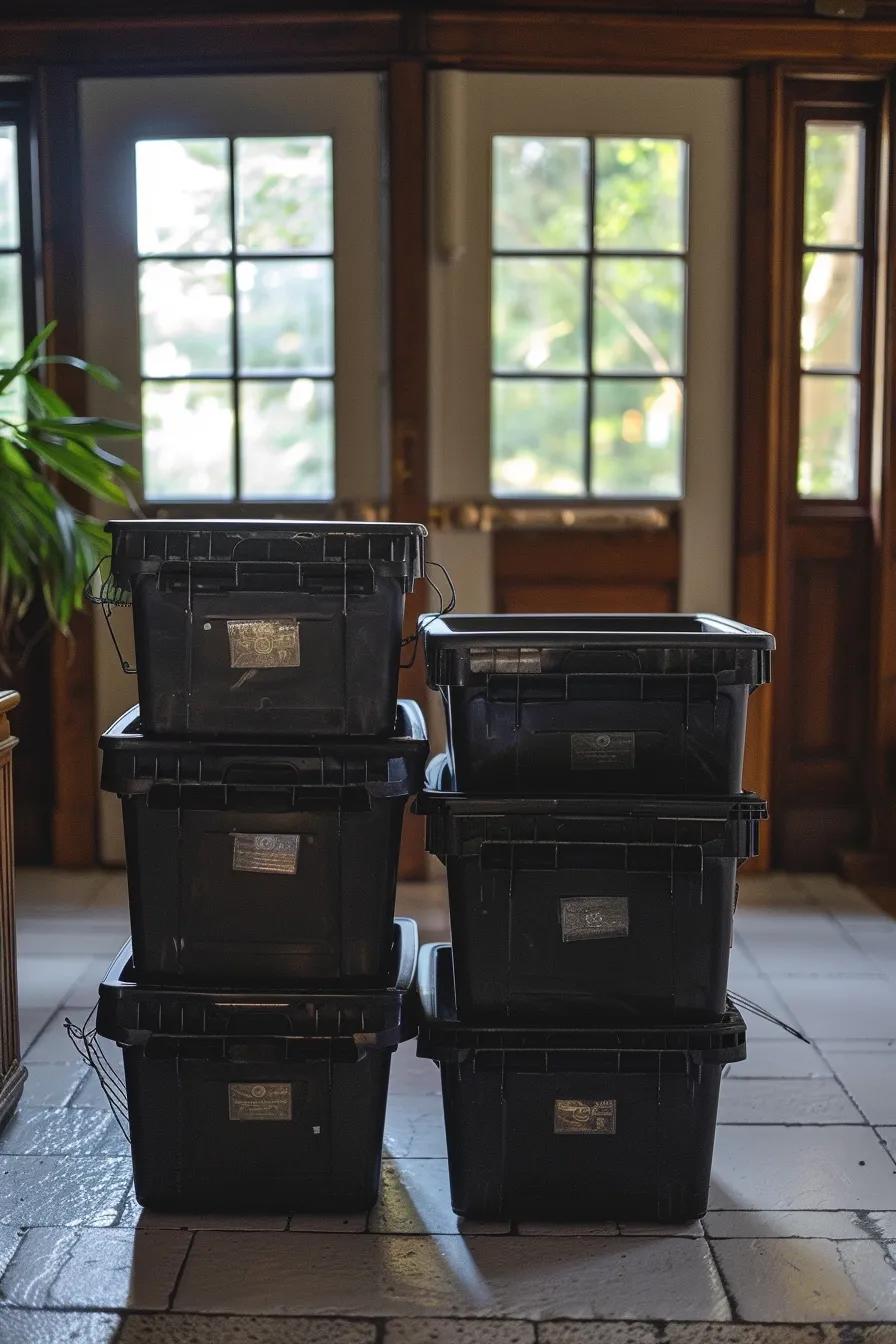
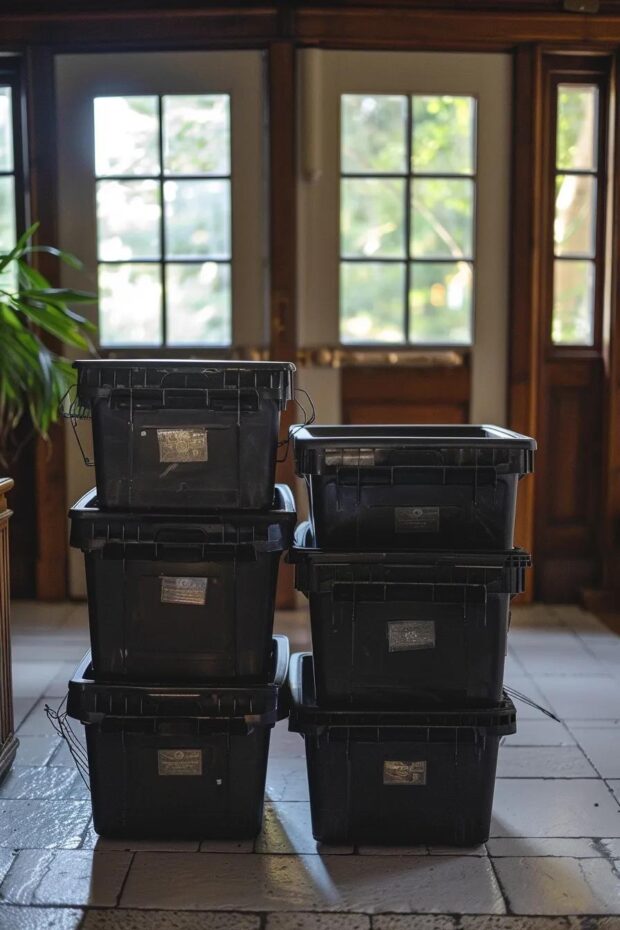
Reusable moving box rentals replace one‑time cardboard with sturdy plastic containers that we deliver and pick up, cutting waste and making moves easier. Below we explain how the system works, why businesses and households in Austin often choose reusable totes over cardboard, and how local organizations can measure both cost and environmental wins. You’ll find practical packing and logistics tips, a clear comparison between plastic and cardboard options, and package recommendations for different office sizes and home moves. We also walk through a typical rental—ordering, delivery of assembled boxes, packing, pickup, and sanitization—so planners in Austin, Round Rock, and Kyle can decide if reusable boxes fit their next move.
Why choose eco-friendly plastic moving box rentals in Austin?
Reusable plastic box rentals cut lifecycle waste, speed packing, and protect your items better than disposable cardboard. These boxes stack securely, shield sensitive equipment, and are cleaned between rentals so the same unit can be used again and again. Beyond fewer replacement purchases and lower disposal headaches, assembled boxes save time—you don’t spend hours building, taping, or hauling broken-down cartons. Below we explain the environmental benefits and the cost dynamics that make rentals a smart choice for many Austin moves.
Practically speaking, reusable boxes reduce material and landfill burden because a single durable unit replaces many cardboard boxes over time. They’re made from polymers built to handle repeated use, so the per‑move material footprint drops with each rental cycle. Less cardboard in the stream means fewer trips to recycling or the landfill and less staff time spent managing waste. For companies tracking sustainability goals, rental providers can often supply the reuse data needed for reporting.
On the convenience side, most rental services deliver boxes assembled and collect them after unpacking, saving time at both ends of a move. No building, taping, or post‑move disposal usually means shorter pack-and-move timelines, less employee downtime, and faster return to work. That operational efficiency, paired with lower long‑term waste, gives businesses and residents a practical twofold benefit: reduced environmental impact and a smoother move. The next sections unpack the reuse lifecycle and typical cost scenarios by move size.
These combined environmental and operational advantages make reusable plastic boxes especially appealing when asset protection or repeat relocations matter. When companies tally direct costs (rental vs. buying and disposing cardboard) and indirect costs (labor, downtime, replacements), reusable systems often come out ahead. Below we detail how reuse reduces impact and outline common cost-saving scenarios for businesses and households.
How do reusable plastic boxes reduce environmental impact?
Reusable plastic boxes replace the one‑and‑done cardboard model with a circular reuse loop that lowers material use and landfill inputs. Heavy‑duty polymers survive dozens—or hundreds—of rental cycles, so the embedded energy and materials per move shrink as boxes are reused. Between rentals, boxes are sanitized and refurbished so they can be redeployed locally, supporting circular-economy practices and lowering single‑use packaging volume across Austin and nearby communities.
From a lifecycle view, manufacturing a durable plastic box has an upfront footprint, but that cost is spread across many moves, often yielding lower total resource use than repeatedly buying cardboard. Centralized cleaning and maintenance keep contaminant risks low and extend service life, reducing premature retirement of units. Providers that document reuse cycles can supply customers with measurable reductions in waste—useful when tracking sustainability metrics.
What cost savings can businesses and residents expect?

Savings from reusable box rentals come in two forms: direct reductions (fewer one‑time box purchases, lower disposal and recycling fees) and indirect gains (less time spent building boxes, faster move timelines). For businesses, shorter packing windows cut billable downtime and speed projects; frequent movers avoid recurring purchase costs. Home movers save time and sidestep the hassle of breaking down and disposing of cardboard. How much you save depends on move frequency, volume, and the value of reduced downtime—but in many local cases, rentals prove cost‑effective versus buying new cardboard each time.
Key price drivers are rental length, accessory add‑ons, and specialty handling for fragile items or IT equipment. Organizations that move often or run many small moves see the clearest returns because the same boxes serve multiple events. For single residential moves the primary advantages can be convenience and protection rather than pure cost savings. The next section outlines typical local packages to help you match needs to a practical order.
What commercial and residential moving box packages does Bronko Box offer in Austin?
We offer ready‑made packages that match common move sizes and use cases, plus customization when you need it. Below are representative package structures showing how box counts and accessories map to business sizes. Use the table to compare offerings and choose a baseline—then contact us for a tailored quote that reflects your exact box counts, accessories, and schedule.
Bronko Box, based in Austin, TX, provides reusable plastic moving box rentals with delivery and pickup across Austin, Round Rock, and Kyle. We serve homes and businesses with a focus on convenience, durability, and measurable sustainability. Our local delivery and pickup simplify commercial relocations and residential moves, and our sanitization practices keep boxes ready for multiple rentals. Below is a practical package table to help you compare options and start a quote.
| Package Name | Target Business Size | Boxes & Accessories / Price Estimate |
|---|---|---|
| Startup Package (1-10 employees) | Small teams, startups | Core box set for desks and common areas; includes lids and a few moving blankets. Pricing geared for small office moves—request a quote for specifics. |
| Small Biz Package (11-20 employees) | Small offices, retail stores | More boxes for workstations and storage; optional wheels and extra lids available. Mid‑range rental estimate—contact us for details. |
| Mid-Size Package (21-30 employees) | Growing companies, clinics | Higher box counts, additional packing supplies (reusable paper, padded options), and staged move windows. Priced to be cost‑competitive with repeated cardboard purchases. |
| Big Business Package (31-40 employees) | Corporate relocations | Large-volume box sets with IT and file bundles; ideal for minimal downtime and staged delivery/pickup. Custom pricing available on request. |
| Individual Residential Box Rental | 1–3 bedroom homes | Modular box quantities for typical household moves, lids and a small accessory kit included. Rental pricing focused on convenience for one‑time moves. |
This table shows typical package alignments and notes that final pricing is customized per move to reflect box counts, accessories, and timing. For a precise estimate, request a quote with your expected box quantities and delivery windows. The following paragraphs explain which packages suit specific business profiles and common customizations.
Which packages are best for small to large business moves?
Start by matching employee count, equipment types, and file volumes to box counts and accessory needs. Startups and small teams usually choose a core box set for desks and shared spaces. Mid‑size and larger organizations need bigger allocations with IT‑safe packing options, extra lids, and wheels for frequent handling. Retailers and clinics often add specialized boxes for displays or supplies, and staged delivery windows help reduce disruption during partial relocations. Picking the right package up front minimizes unnecessary costs and ensures the protective accessories you need are included.
For example, a 15‑person office moving desks, monitors, and a small server rack will often choose the small‑biz package with padded boxes for electronics and a pickup timed for the end of the move day. Larger companies planning full‑floor moves typically stage deliveries over several days to keep teams productive. Knowing these patterns helps you select a sensible baseline and request the right add‑ons before move day.
How can customers customize their moving box orders?
Common customizations include adding wheels, extra lids, padded containers for fragile IT equipment, and supplemental packing supplies like eco‑friendly packing paper or reusable inserts. You can increase box counts for storage areas, set specific delivery windows to meet building access requirements, or request staged delivery for multi‑day moves. Lead times vary with local demand, so tell us your preferred dates early to secure the slots you want. Thoughtful customization avoids rush fees and ensures the right mix of boxes and accessories.
Practical examples: swap some standard boxes for file‑specific units to keep labeled cabinets intact, add dolly‑compatible boxes for heavy items, or reserve extra lids for secure stacking in transit. These tweaks improve on‑site handling, reduce damage risk, and lower replacement costs. Clear details about item types and volumes let us give precise recommendations and streamline moving day logistics.
How does the Bronko Box rental process work in Austin?
The rental process is simple: choose a package or request a custom quote, schedule delivery of assembled boxes, pack and move, then arrange pickup and sanitization for reuse. This three‑ to five‑step flow centralizes logistics and ensures containers are cleaned and redeployed safely. Below is a compact checklist and a short process table to set expectations for Austin moves.
Bronko Box manages online scheduling and coordinates delivery and pickup across Austin, Round Rock, and Kyle. We deliver assembled boxes to save you setup time and sanitize containers after pickup so they’re ready for the next rental. Customers pack their items and prepare large equipment for transport; we handle box supply, delivery, pickup, and cleaning. The table below summarizes each step and offers timing tips.
| Step | Task | Timeline / Tip |
|---|---|---|
| 1. Order & Schedule | Select a package or request a custom quote; pick a delivery window | Book several days ahead for preferred dates; larger moves need more lead time |
| 2. Delivery & Setup | Assembled boxes arrive and are staged for packing | Designate a staging area and keep access clear to speed packing and meet building rules |
| 3. Packing & Move Day | Your team packs boxes; movers transport to the new location | Label boxes by room and priority for faster unpacking and less downtime |
| 4. Pickup & Sanitize | We collect empties and perform sanitization and refurbishment | Schedule pickup when boxes are cleared; sanitized units return to inventory for reuse |
- Order and confirm a delivery window well before move day so you get the right box mix.
- Set up a staging area at origin and destination to keep packed items organized and speed the process.
- Label boxes clearly by room and priority to make unpacking quick and reduce downtime.
What are the steps for delivery, packing, and pickup?
The handoff is straightforward: confirm your package and delivery window, receive assembled boxes, pack and move, then arrange pickup. On delivery day our team stages boxes so your crew can start immediately—no building or taping required. After unpacking, we collect empties and begin sanitization and refurbishment. Communicate any building access rules or pickup timing needs up front to avoid delays and keep the reuse loop moving.
Typical timelines vary: small residential moves often finish packing and request pickup within a day or two, while larger office relocations may schedule pickups across several days to support phased unpacking. Quick turnaround on sanitization helps boxes return to service faster for future rentals. The next section covers packing tips that make the most of reusable plastic boxes’ strengths.
What packing tips help maximize efficiency and protection?
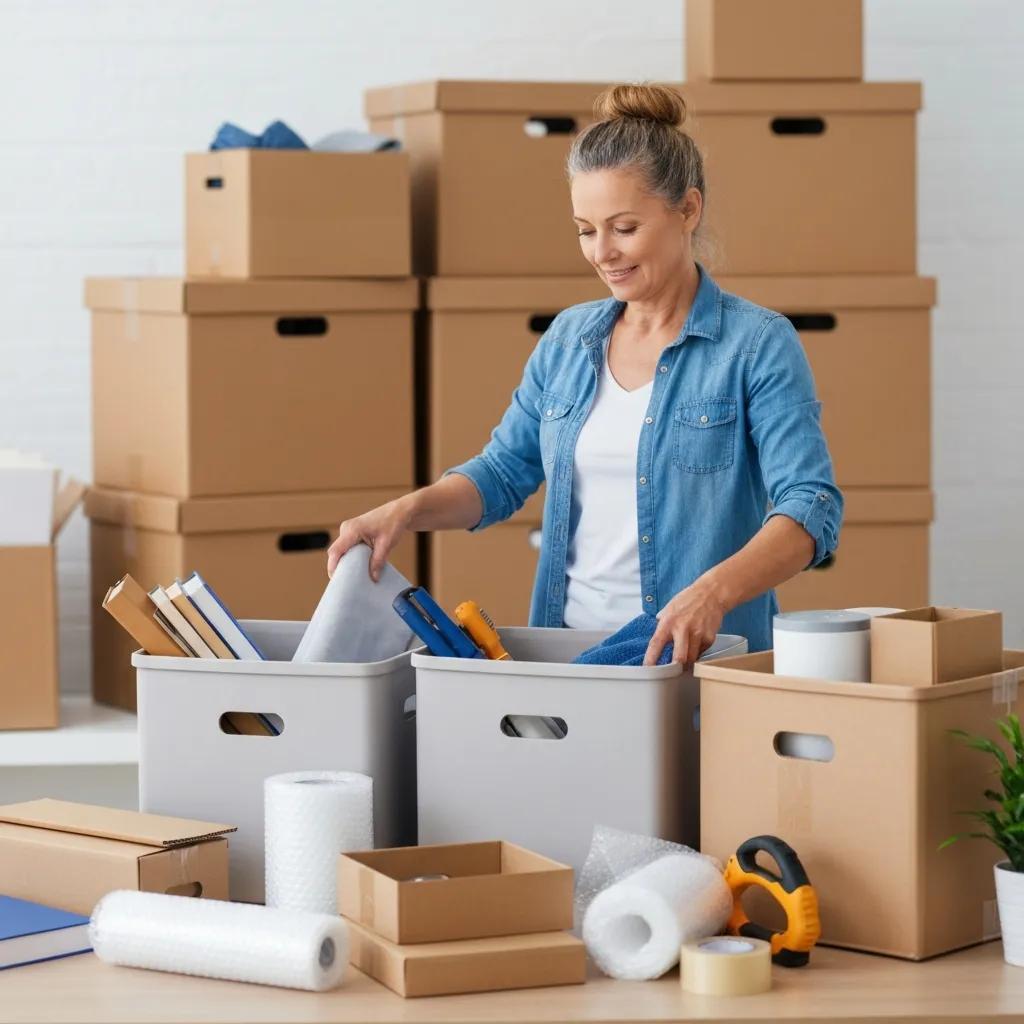
Plastic moving boxes stack tightly and usually have weight limits and snap‑on lids, so distribute weight and label carefully. Spread heavy items across several boxes rather than packing all weight into one, and use padded inserts for fragile electronics. For business moves, label boxes by department and priority to speed room reassembly and support inventory tracking. These practices reduce damage risk and shorten the time it takes to get teams back to work.
Other practical tips: fill gaps with reusable packing material, secure lids before stacking, and put heavier boxes at the bottom during transport. For IT gear, use padded containers and clearly mark serial numbers or asset tags to maintain chain of custody. These simple steps lower handling damage and make unpacking smoother at your destination.
How do plastic moving boxes compare to cardboard boxes for Austin moves?
Reusable plastic boxes win on durability, protection, and lifecycle impact; cardboard wins on low upfront cost and simplicity for a single move. Plastic resists moisture and crushing, stacks uniformly with secure lids, and supports repeated use under a circular rental model—cutting long‑term material consumption. Cardboard may be cheaper for a one‑time move but often brings hidden labor and disposal costs, especially in urban areas where recycling and trash logistics matter. The table below compares key attributes to help you weigh cost, protection, and sustainability.
| Material Type | Durability / Reusability | Environmental Impact | Cost Consideration |
|---|---|---|---|
| Reusable Plastic Boxes | High durability; built for many reuse cycles | Reduces single‑use waste over time; fits circular logistics | Lower total cost across repeated moves; convenience offsets rental fees |
| Cardboard Boxes | Low durability; limited reuse before wear | Creates more waste and frequent replacement | Lower upfront cost for one move but added disposal and labor expenses |
| Hybrid Approach (Reuse + Cardboard where needed) | Moderate durability depending on mix | Balances reuse with situational cardboard use | Flexible cost strategy; use where it makes sense to maximize sustainability |
What makes plastic boxes more durable and protective?
Plastic boxes are engineered for stacking strength, crush resistance, and weather tolerance, which helps protect items during loading and transit. Snap‑on lids reduce shifting and moisture exposure compared with taped cardboard, and uniform dimensions make truck loading more efficient. For sensitive gear—monitors, medical devices, lab equipment—padded inserts and dedicated containers cut damage risk. These advantages lower replacement costs and reduce transit losses.
Durability also speeds move prep: no breaking down boxes or hunting for tape lowers labor. Because containers stack predictably, movers can pack trucks more efficiently and often reduce the number of trips. The next section explains how reuse loops and sanitization practices support sustainability and resource efficiency.
How do plastic boxes support sustainability and reusability?
Reusable boxes support sustainability by spreading production impacts across many moves and by fitting into a return‑and‑redeploy logistics flow that embodies circular‑economy principles. Sanitization between rentals prevents contamination and extends service life so a single box can replace dozens or hundreds of cardboard units. Centralized refurbishment and inventory control reduce waste and ensure containers are repaired or retired responsibly. Companies tracking environmental KPIs can use documented reuse data to show reductions in cardboard procurement and landfill waste.
Using reusable boxes also encourages operational changes—scheduled pickups and consolidated moves—that can lower transport emissions and handling. When paired with strong sanitization and refurbishment, the circular rental model reduces raw material demand and delivers a reliable, safer packaging solution over time. The next section ties these sustainability mechanics to business benefits and CSR alignment.
What are the environmental and business benefits of sustainable moving in Austin?
Sustainable moving practices combine environmental impact reduction with real business benefits—clear CSR alignment, better employee perception, and potential operational savings. Companies using reusable boxes can document lower waste generation and include those metrics in sustainability reports, investor updates, or stakeholder communications. Faster packing and less cleanup also reduce downtime so teams return to productivity sooner, minimizing revenue disruption during relocations. The following subsections show how to record environmental benefits and how circular economy practices are implemented operationally.
Switching to reusable rentals gives tangible CSR outcomes—pounds of cardboard avoided or the number of reuse cycles completed—that feed sustainability narratives in press releases and internal communications. Fewer materials to manage also simplifies facilities work during moves and reduces the logistics tied to cardboard recycling streams. The next subsection explains how businesses can quantify and communicate these changes for CSR goals.
How do eco-friendly moves align with corporate social responsibility?
Eco‑friendly moves turn procurement and logistics choices into measurable environmental outcomes that stakeholders can evaluate. Companies can track reductions in single‑use packaging and report those figures alongside other waste and energy metrics to show progress toward sustainability targets. Visible actions—like choosing reusable moving boxes—strengthen external communications and internal morale by linking policy to operational practice. In short, greener moving methods become a verifiable part of a company’s CSR story.
To capture CSR value, establish baseline move‑waste measurements and compare them after adopting rentals. Document reductions in disposed material and handling costs so you can report results clearly to leadership or external audiences. The next subsection explains the circular economy mechanics that make rentals viable at scale.
What is the role of circular economy principles in moving box rentals?
Circular economy principles guide rental programs through reuse, return logistics, refurbishment, and redeployment to extend container life and cut raw material demand. A well‑run rental system coordinates pickups, sanitization, repair, and inventory tracking so units stay in service as long as possible. This closed‑loop approach reduces virgin material extraction and lowers the cadence of waste tied to single‑use packaging. Implementing these practices locally supports Austin‑area waste reduction efforts and creates a repeatable model for sustainable logistics.
Operationally, circular programs require scheduling, inspection, and quality control so boxes reenter service safely and reliably. When managed well, these systems lower unit costs per move and supply measurable environmental benefits for sustainability reporting. The final section answers common practical and transactional questions that Austin prospects typically ask before switching to reusable rentals.
What are the most common questions about eco-friendly moving box rentals in Austin?
This Q&A covers the practical questions decision‑makers ask—cost, ROI for commercial moves, local availability, and operational details. Short, clear answers reduce friction for prospective customers and help planners compare options quickly. Below we outline typical pricing considerations, a decision framework for commercial moves, and service‑area notes so you can determine when rentals make sense.
Many people ask about cost: rental pricing depends on move size, rental duration, accessory choices, and scheduling rather than a single public price. Because quotes are customized, provide box counts and service needs for an accurate estimate. Our service area—Austin, Round Rock, and Kyle—affects scheduling and availability, so confirm dates early to secure preferred delivery windows. The FAQs below give concise guidance on costs and business value.
How much does it cost to rent moving boxes in Austin?
Costs vary by package, rental length, accessories, and timing. Providers typically create package‑based quotes instead of a flat price. Box count, wheels or padded IT units, and staged delivery are common cost factors. While exact numbers need a custom quote, many customers find rentals cost‑effective once labor savings, disposal avoidance, and asset protection are considered. To get an accurate estimate, share your expected box count and any special handling needs with a rental provider.
Understanding these variables helps you budget: a short residential rental differs from a multi‑day corporate move in scope and pricing drivers. Businesses should factor in indirect savings—less downtime and fewer damages—when comparing rental costs to cardboard alternatives. The next FAQ covers whether rentals make sense for commercial moves.
Are plastic moving boxes worth it for commercial moves?
Yes—plastic moving boxes often deliver strong ROI for commercial moves where equipment protection, minimal downtime, and repeat relocations matter. If your organization moves regularly, manages high‑value assets, or tracks sustainability metrics, rentals typically pay off through fewer replacements, less packing labor, and lower damage rates. For one‑off small office moves, weigh convenience and protection against the rental cost—many companies still choose rentals to simplify logistics and support CSR goals. Consider move frequency, asset value, and sustainability objectives when deciding if rentals fit your needs.
To decide, compare expected cardboard purchases, disposal costs, and labor against a quoted rental package—this quick exercise often uncovers hidden savings. When protecting IT gear or expensive fixtures is critical, the reduced risk of damage alone can justify rentals. These points should help you determine whether reusable rentals match your commercial needs in the Austin area.
- Benefits recap: Reusable boxes cut waste, protect assets, speed packing, and support CSR reporting.
- Decision framework: Favor rentals when move frequency is moderate to high, asset value is substantial, or sustainability reporting matters.
- Next step: Prepare an inventory and preferred delivery window and request a tailored quote from a local provider.
These final pointers summarize recommendations and give practical next steps for planners evaluating eco‑friendly moving box rentals in Austin.
Frequently Asked Questions
1. What types of items are best suited for packing in reusable plastic boxes?
Reusable plastic boxes work well for electronics, office supplies, clothing, books, and many fragile items when paired with padding. Their sturdy design protects sensitive equipment during transit, making them a good fit for commercial moves with IT gear or medical supplies. Secure lids also limit moisture exposure, so they handle kitchenware and other household items reliably.
2. How do I ensure that my reusable boxes are sanitized before use?
Rental providers, including Bronko Box, follow sanitization protocols to clean and disinfect boxes between rentals. That typically involves washing with approved cleaning agents and inspecting units for damage. When you place an order, ask about specific cleaning steps if you have higher cleanliness standards—we’re happy to explain our process.
3. Can I rent moving boxes for a short-term project or event?
Yes. Most rental companies offer flexible durations so you can rent boxes for a day, a weekend, or several weeks. Tell the provider your timeline and they’ll recommend the right package and duration to cover your project.
4. What happens if a box is damaged during my rental period?
If a box is damaged, notify the rental provider promptly. Policies vary, but many providers cover normal wear and tear and charge only for major damage. Review the rental agreement for specifics on repairs or replacement fees so you know what to expect.
5. Are there any additional accessories available for my moving box rental?
Yes. Common add‑ons include padded containers for fragile items, extra lids, wheels for easier handling, and eco‑friendly packing materials or reusable inserts. Ask about available accessories when you request a quote so your rental fits your protection and handling needs.
6. How can I track the environmental impact of my move using reusable boxes?
Ask your rental provider for documentation on box counts and reuse metrics. Many companies—Bronko Box included—provide data on avoided landfill volume or estimated carbon reductions compared with cardboard. Those figures make it easy to include move impact in CSR reports or sustainability updates.
7. What should I do if I need to change my delivery or pickup schedule?
Contact your rental provider as soon as possible to request a schedule change. Providers are usually flexible but need advance notice to adjust logistics. Have your order details and new preferred dates ready; depending on policies and availability, rescheduling may be free or could incur a fee.
Conclusion
Switching to reusable moving box rentals in Austin reduces waste and makes moves smoother for businesses and residents alike. Reusable plastic boxes deliver protection, save time, and support your sustainability goals—all while simplifying logistics. If you’re planning a move, request a tailored quote to see how our packages can save you time, money, and landfill space.
Filed under: Blog