
Commercial vs. Residential Moving Boxes: How Their Quality and Durability Really Differ
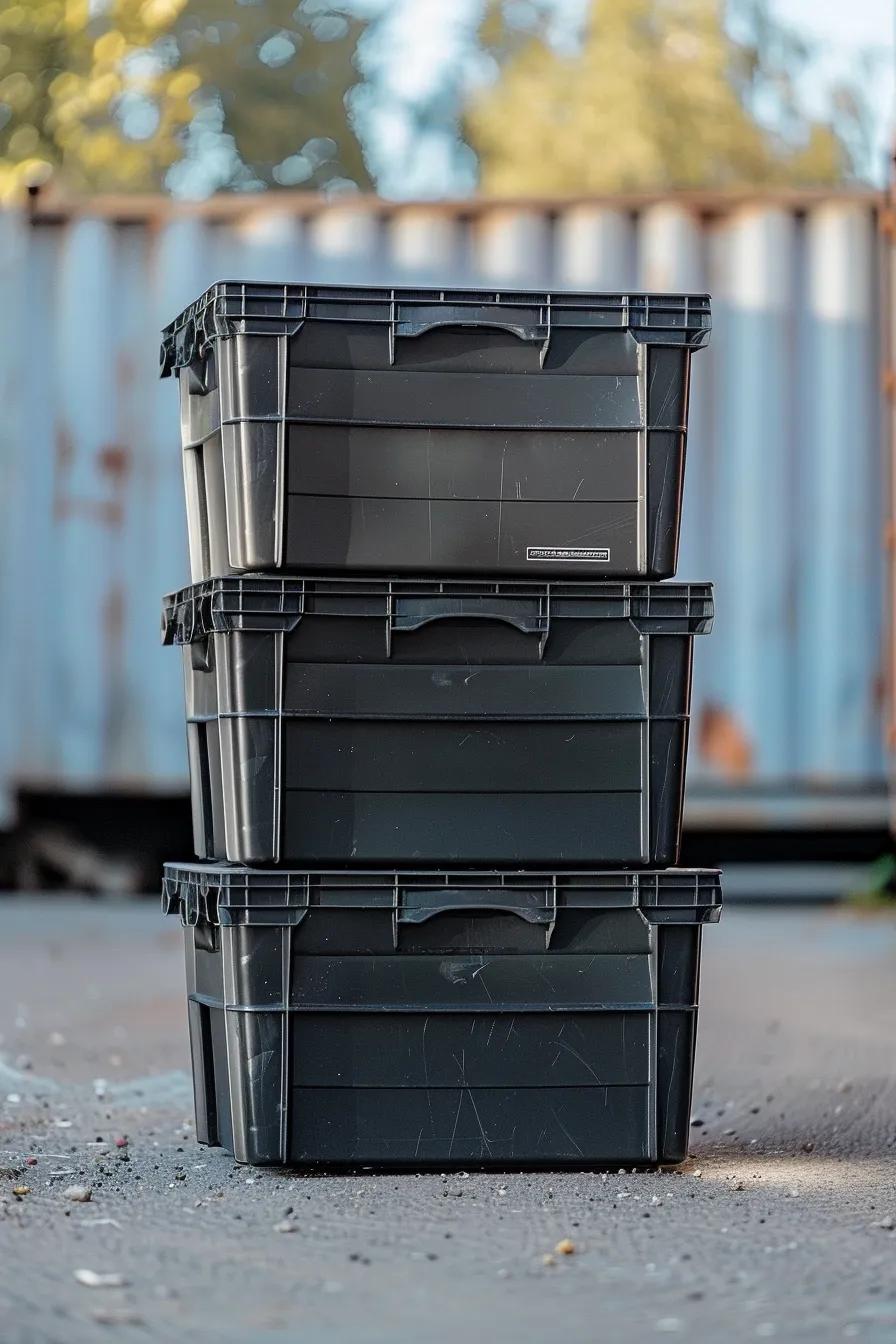
Moving containers fall into two main categories—commercial-grade and residential-grade—and they’re built for very different uses. Commercial boxes are engineered for repeated cycles, heavy stacking and palletized transport. Residential boxes favor light weight, easy handling and convenience for one-off household moves. This guide breaks down the material and construction differences, compares reusable plastic totes to cardboard, weighs cost and environmental trade-offs, and gives practical advice for choosing the right box by item and distance. You’ll find clear feature lists, quick decision checklists, and comparison tables that show mechanical performance, lifecycle estimates and rental economics. When it helps illustrate a real-world option, we point to the Austin-based rental model used by Bronko Box—a service that blends commercial durability with residential convenience. By the end, you’ll know which container lowers damage risk, reduces total moving costs, and better fits your sustainability goals.
What makes commercial moving boxes different — and more durable?
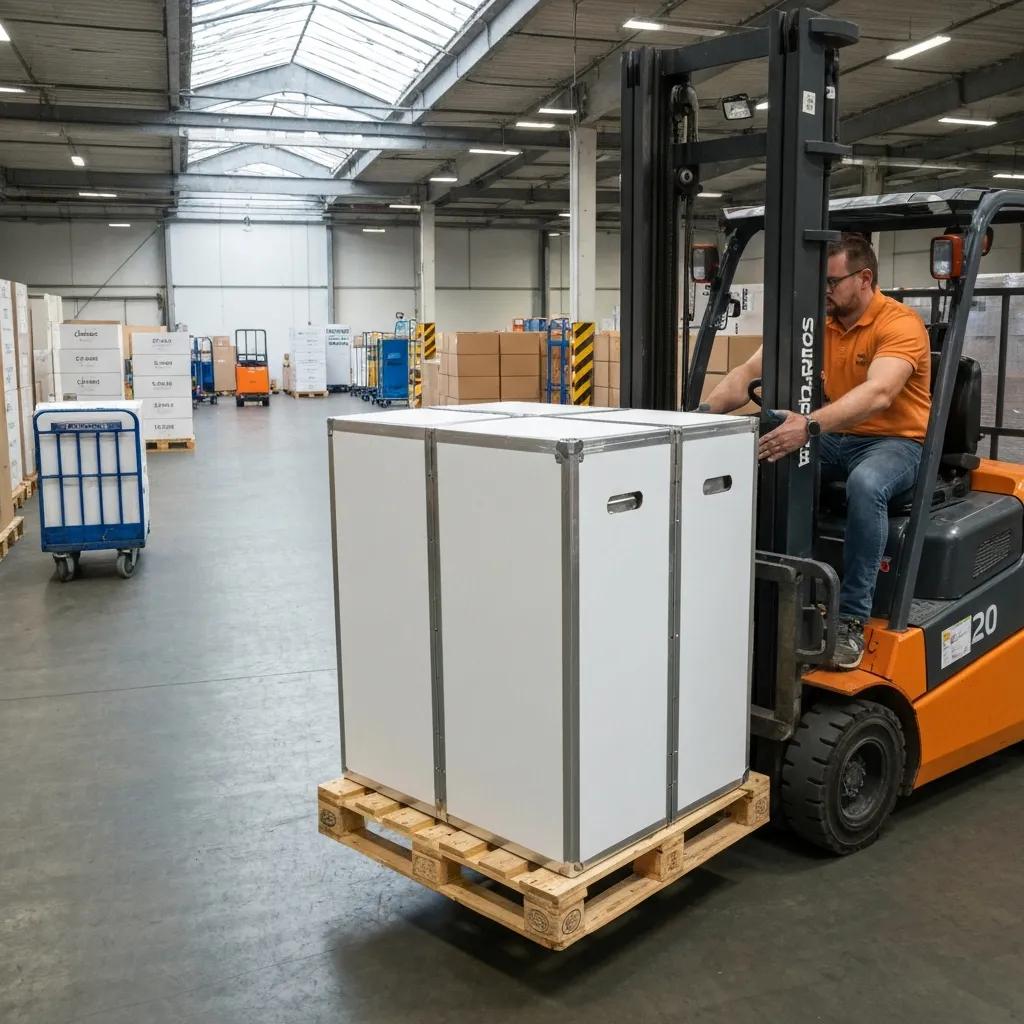
Commercial moving boxes are purpose-built for heavy, repeated use and for efficient handling in warehouses and on trucks. Their strength comes from thicker molded plastics or reinforced composite walls, engineered ribbing and standardized sizes that make stacking and forklift handling predictable. Those design choices boost weight capacity, crush resistance and impact tolerance—so businesses see fewer damaged items and less downtime during relocations. Below are the core durability and operational features that set commercial containers apart from consumer-grade options.
- Material strength: Commercial boxes use high-density plastics or reinforced polymers with thicker walls that resist bending and crushing under heavy loads.
- Built-in reinforcements: Ribs, corner gussets and interlocking lids add crush resistance and keep shape when boxes are stacked.
- Handling-friendly design: Uniform dimensions, label-friendly surfaces and stackability speed up warehouse workflows and palletized transport.
Those features add up to predictable load-bearing performance and fewer replacements over time—which leads directly to the specific materials and construction choices that make commercial boxes heavy duty.
Which materials and construction details make commercial boxes heavy duty?
Most commercial crates are molded from high-density polyethylene (HDPE) or polypropylene blends with thicker walls and engineered ribbing for stiffness and puncture resistance. Designers shape wall cross-sections and rib patterns to spread compressive loads and resist local impacts; that improves stacking capacity and lowers the chance of failure during transit. Thicker lids and interlocking closures help keep out moisture and show tamper evidence while keeping consistent pallet dimensions. Put simply, these material and molding choices let a container survive many reuse cycles with minimal fatigue—the main reason commercial boxes outperform disposable alternatives. These construction details also explain why commercial-grade boxes are the go-to for repeated, heavy-duty moves and large-scale logistics.
How do commercial boxes protect valuable business assets during a move?
Commercial boxes protect assets by combining stable internal dimensions, high crush resistance and moisture protection—critical for sensitive gear like servers, POS hardware and retail inventory. Engineered rigidity keeps boxes from deforming under stacks, while water-resistant materials and sealed lids reduce exposure to weather and accidental spills, cutting damage rates. For businesses, that translates to less downtime from repairs or replacements and simpler insurance and compliance paperwork. Standard sizing also supports uniform padding and fixtures, making it easier to use trolleys, pallet jacks and storage racks—reducing handling incidents and speeding up the move.
How are residential moving boxes different in quality and convenience?
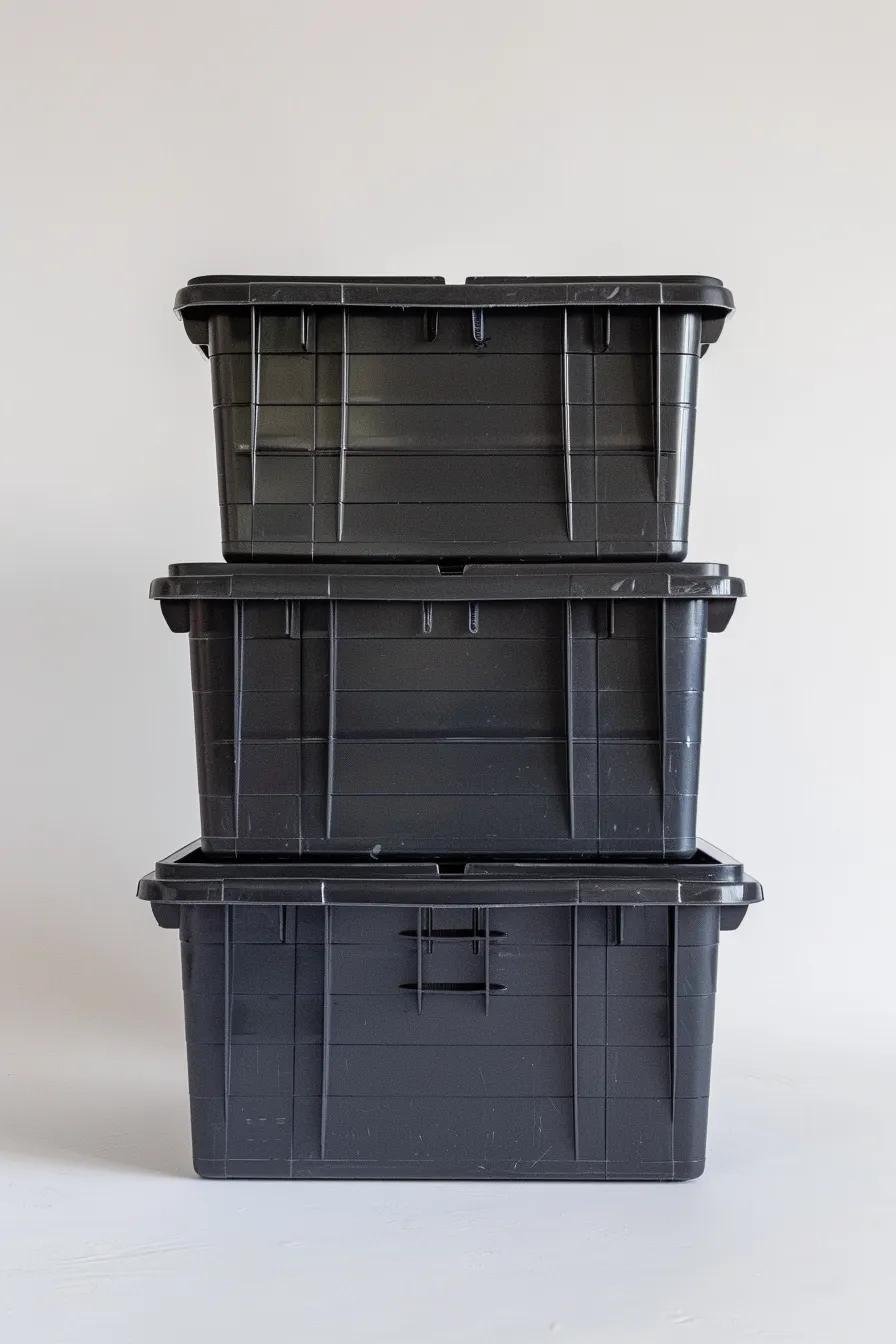
Residential moving boxes focus on being easy to handle, lightweight and simple to store. They’re designed for one-off or occasional reuse rather than the constant cycles seen in commercial logistics. Typical residential containers use lighter plastic blends or thinner-walled reusable totes that nest for compact storage and often include built-in handles so homeowners can carry items without extra gear. Convenience features—like pre-assembled rental bundles, contactless delivery and short-term pickup—cut the work of a household move and appeal to people who value time savings and simplicity. The next section outlines common materials and size suggestions so you can match box type to your packing needs at home.
What materials and uses are common for residential plastic moving boxes?
Residential plastic boxes often use polypropylene blends or recycled plastics with thinner walls that balance durability and light weight while allowing nesting for storage. Sizes range from small book crates to medium wardrobe boxes and larger totes for linens and bulky soft goods—sizes that map naturally to common household items. Small boxes are great for books and dense items, medium crates work well for kitchenware with padding, and larger totes handle bedding and textiles. That mix helps keep lift weights manageable and reduces the chance of overfilled, awkward boxes—especially when moving with limited help. It also ties into why reusability matters for environmental impact.
Why are reusable residential boxes an eco-friendly moving choice?
Reusable residential boxes cut single-use waste by staying in circulation for many moves. Each additional use spreads the manufacturing footprint over more events, lowering emissions per move compared with single-use corrugated cardboard. The practical wins—fewer replacements, fewer trips to recycling centers and less packaging trash—align with the environmental ones, making reusable boxes attractive for households trying to shrink their moving carbon footprint. Service models that deliver and pick up pre-assembled boxes make it even easier for people to choose the greener option.
How do plastic moving boxes stack up against cardboard for durability and quality?
Plastic moving boxes outperform cardboard on several key mechanical and lifecycle measures—especially moisture resistance, long-term stackability and reuse cycles—while cardboard keeps advantages in low upfront cost and easy recycling in many areas. Plastic’s strength comes from continuous polymer walls and engineered ribs that give higher crush resistance and puncture tolerance. Cardboard can be strong—double-wall board performs well when dry—but it degrades with moisture. The table below summarizes these attributes for common moving scenarios.
| Container Type | Key Attribute | Typical Performance |
|---|---|---|
| Reusable Plastic Box | Weight capacity | High; maintains load capacity over many cycles |
| Double-wall Cardboard | Crush resistance | Moderate to high when dry; weakens with moisture |
| Reusable Plastic Box | Water resistance | High; resists moisture and keeps shape |
| Cardboard (single-wall) | Reuse cycles | Low; typically 1–2 uses before weakening |
| Reusable Plastic Box | Lifecycle impact per use | Lower with frequent reuse; manufacturing footprint amortized |
The takeaway: plastic gives better protection for wet conditions and repeated use, while cardboard can be a cost-effective short-term solution for single moves. The next section dives into specific strength and protection differences to help you choose for fragile or long-distance moves.
What are the strength and protection differences between plastic and cardboard?
Plastic boxes offer higher puncture resistance, stable stacking and consistent performance in humid or wet conditions because polymers don’t absorb water and molded structures resist deformation. Cardboard—even double-wall—can carry heavy loads when dry, but its strength drops quickly with moisture and repeated compression. For fragile items and long-distance moves where stacking and exposure are likely, plastic’s consistent protection cuts the risk of shock, abrasion and moisture damage. For short local moves or low-value shipments, quality cardboard can be an economical choice—though it may mean more disposal or replacement costs over time.
How does the environmental impact of reusable plastic compare to disposable cardboard?
The environmental balance depends on how often a plastic box gets reused. Reusable plastic generally breaks even after a number of uses compared to single-use cardboard; beyond that point its per-move footprint is lower. Cardboard recycling availability and contamination affect its real-world sustainability—while corrugated paper is widely recyclable, local programs and contamination can reduce actual recycling rates. Plastic recycling depends on resin type and local processing, but rental models that keep boxes in circulation cut the need for frequent production. From a lifecycle view, reuse-focused solutions make the most sense for frequent movers or businesses; occasional movers may decide cardboard is reasonable where recycling is strong.
How do cost and long-term value compare between commercial and residential boxes?
Cardboard wins short-term on cost for one-off moves, while reusable plastic systems deliver better long-term value—especially when you factor in fewer replacements, lower damage rates and operational savings for businesses that move often. Renting reusable containers turns a capital purchase into an operational expense, removes storage and disposal headaches, and provides predictable per-move pricing that usually includes delivery and pickup. The table below frames rent-vs-buy economics so both commercial and residential customers can compare short-term cost and long-term value.
| Container Model | Attribute | Short-term Cost | Long-term Cost / Value |
|---|---|---|---|
| Buy cardboard boxes | Initial purchase | Low per box | Higher over repeated moves; disposal costs |
| Buy plastic boxes | Initial purchase | Moderate to high | Lower per-use cost if reused frequently |
| Rent reusable plastic boxes | Rental model | Predictable per-move fee | Saves storage/disposal; amortized service value |
| Rent + accessories | Service bundles | Includes delivery/pickup | Time savings and lower operational overhead |
Put simply, renting reusable plastic boxes often gives better long-term value for frequent moves or business relocations by cutting hidden costs around disposal, replacement and labor. The next section explains how those savings typically add up.
How does renting plastic moving boxes save money over time?
Renting converts an upfront purchase into a predictable operating cost—which can lower overall expense once you account for assembly time, disposal fees and the reduced chance of damaged goods. If a bought plastic crate costs several times a cardboard box but lasts for many moves, buying can pay off—but only if you reuse it often. Renting shifts that risk to the provider. For seasonal inventory moves or businesses that need standardized handling, rental packages with delivery, pickup and accessories cut labor and downtime. Those indirect savings—fewer damage claims, faster handling and no storage—often make renting the smarter choice for companies and a very convenient option for homeowners.
What pricing and rental packages are typical for commercial and residential moves?
Rental pricing usually comes as per-box nightly or per-move fees, bundled packages sized by rooms or pallets, and enterprise plans for ongoing needs. Cost factors include rental length, delivery distance and included accessories. Expect tiered bundles that simplify planning—like a one-bedroom household kit or a palletized office set—with optional items such as moving wheels and bubble wrap. Delivery and pickup are commonly included to reduce customer handling. These options help you decide whether to rent or buy based on your move frequency and complexity.
How to pick the right moving boxes for your specific needs
Choosing the right box means matching fragility, weight, move distance and environmental priorities to the container material and service model. Start by identifying your most valuable or fragile items and whether you’ll need storage or long-distance transit. Favor plastic for repeated use, long-term storage or moisture-prone moves; choose cardboard for short, budget-sensitive moves in dry conditions. The checklist below gives a quick selection guide, followed by item-specific recommendations and packing tips.
Quick decision checklist: which box to choose
- Fragile, valuable or moisture-sensitive items: Use reusable plastic boxes with padding.
- Frequent movers or businesses: Rent commercial-grade plastic for consistency and less downtime.
- One-time local move on a tight budget: Cardboard can work if conditions are dry and handling is light.
Use this checklist as a starting point—then follow the item recommendations and packing tips below to finalize your plan.
Which boxes work best for different items and move distances?
Match items to containers for best results: fragile glassware and electronics do best in plastic boxes with padding and dividers; books and heavy items belong in small, reinforced boxes to keep lift weight safe; wardrobes and linens fit tall or large totes that preserve shape. For long moves or storage, prioritize plastic for moisture resistance and stable stacking. For short local moves, double-wall cardboard can be a cost-effective choice if kept dry. Packing tips: don’t overload boxes, use padding to prevent shifting and label boxes clearly so handlers know what’s inside. These practices reduce damage and make unpacking far easier.
What factors should businesses and individuals weigh when selecting boxes?
Consider frequency of moves, storage space, environmental goals, item fragility, move distance, handling conditions and budget. Businesses should prioritize standardization, stackability and pallet compatibility; individuals may value nesting for storage and pre-assembled rental convenience. If reducing waste matters, favor reusable rental systems that recover and recirculate boxes.
- Frequency of moves: Decide if repeated use justifies buying or renting plastic.
- Storage and space: Look for nesting options if you need to store boxes between moves.
- Environmental goals: Rental and reusable systems cut waste compared with single-use boxes.
Weigh these factors to build a simple decision matrix that points you toward reputable rental services offering both commercial durability and residential convenience.
What advantages do Bronko Box plastic moving boxes offer over traditional options?
Bronko Box runs a rental service focused on eco-friendly, commercial-strength plastic moving boxes that combine durability with homeowner-friendly convenience. Based in Austin, TX, we rent reusable plastic boxes and packing supplies, pairing commercial-strength materials with contactless delivery, pickup and pre-assembled options for both businesses and households. The table below links Bronko Box features to the customer benefits they create, showing how service design turns technical advantages into real-world value.
| Product / Service | Feature | Benefit |
|---|---|---|
| Reusable plastic boxes | Commercial-strength stackable design | Reduces damage and supports palletized handling |
| Rental model | Contactless delivery and pickup | Saves time and removes storage burden |
| Packing accessories | Moving wheels, bubble wrap | Makes protecting fragile items easier |
| Eco-friendly approach | Reusable over single-use | Decreases waste for movers |
This mapping shows how a rental provider can turn durability and sustainability into a convenient service that works for both commercial moves and home relocations. The section below explains how Bronko Box blends commercial-grade performance with household usability.
How do Bronko Box products mix commercial-grade durability with residential convenience?
Bronko Box’s reusable plastic containers pair commercial-strength protection with features that make them simple for homeowners to use. Stackable ribs and water-resistant materials deliver the same protection logistics teams expect, while nesting, integrated handles and pre-assembled delivery keep things easy for home moves. Our rental model removes the need for storage and disposal by including pickup after your move—turning industrial durability into everyday convenience and a smaller environmental footprint.
What customer stories show Bronko Box works in real life?
Typical outcomes: an office relocation using standardized boxes cut handling time and reduced damage incidents; a homeowner avoided multiple car trips and a pile of cardboard by renting pre-assembled totes with delivery and pickup. Those examples show the predictable benefits of durable materials plus bundled logistics: fewer breakages, faster moves and less waste. While we don’t reproduce customer names here, these scenarios illustrate the everyday value customers see when they choose reusable, rental-based moving solutions.
Frequently Asked Questions
1. What are the main advantages of using commercial moving boxes over residential ones?
Commercial boxes are built for durability and repeated use, so they’re a better fit for businesses that move often. They use denser materials that resist deformation and moisture, protecting valuable equipment in transit. Standardized sizes also make stacking and forklift handling easier. Residential boxes focus on convenience and lightweight handling, which works for single moves but isn’t as protective for heavy or fragile items.
2. How can I determine the right size of moving box for my items?
Match box size to item type and weight. Small boxes are best for books and other dense items; medium boxes suit kitchenware (with padding); large totes work for linens and bulky soft goods. Avoid overfilling to keep boxes manageable and protect contents. Using several sizes lets you pack more efficiently and keep fragile items safer.
3. Are there any specific environmental benefits to using reusable plastic moving boxes?
Yes. Reusable plastic boxes reduce single-use waste because each reuse spreads the production footprint over multiple moves, lowering emissions per use. At end-of-life they can often be recycled, and rental models keep boxes circulating rather than ending up in the trash. Choosing reusable options helps households and businesses cut waste while getting sturdier protection.
4. What factors should I consider when deciding between renting and buying moving boxes?
Think about how often you move, how much storage space you have and your budget. Renting is usually smarter for frequent movers because it removes storage and disposal costs. If you move rarely, buying cardboard may be cheaper upfront. Also consider environmental impact—renting reusable boxes reduces waste compared with single-use options.
5. How do I ensure the safety of fragile items during a move?
Use sturdy, padded boxes made for delicate items. Choose plastic boxes with dividers or add cushioning to prevent shifting. Label fragile boxes clearly and don’t overpack them. These steps go a long way toward preventing breakage during transit.
6. What are the typical costs associated with renting moving boxes?
Rental costs vary by box count, rental length and services like delivery and pickup. Most providers offer tiered packages for different move sizes—from a small apartment to a large office—so you can budget with predictable fees that often include logistics and accessories.
7. Can I use cardboard boxes for long-distance moves, and what should I consider?
Yes, but choose high-quality double-wall cardboard and keep boxes dry. Cardboard strength falls off with moisture, and overloading can cause failures. For valuable or fragile items, plastic boxes offer more reliable protection on long trips.
Conclusion
Knowing how commercial and residential moving boxes differ helps you pick the right option for a safer, smoother move. The right box can protect valuables, lower total costs and support your sustainability goals. Explore our durable, eco-friendly moving solutions to find what fits your move—and get started on a less stressful move today.
Filed under: Blog